Green skills for you!
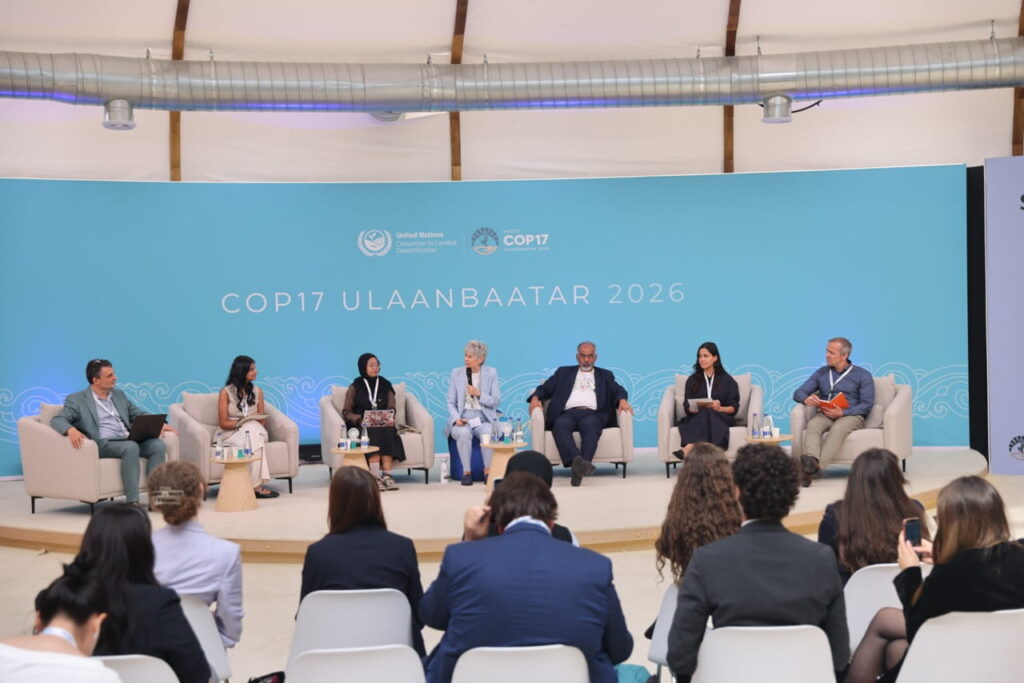
According to the Green Jobs for Youth Pact, the world needs to double the size of the green talent pool by 2050 to keep pace with the projected demand for jobs. According to data from LinkedIn’s more than one billion members in 2024: “roughly half of jobs in the 2050 green economy will lack qualified candidates if we don’t focus on strategic, expansive upskilling.” It is exactly this “green skills gap” that UNCCD’s G20 Global Land Initiative is tackling through two ambitious programs that seek to increase the awareness of 1 million persons in land restoration worldwide by 2040.
Embedding land restoration in university curricula
In filing the green skills gap, we have embarked on a worldwide series of on-line workshops with university partners and educators to “Trigger Change!” in Urban planning curricula and programmes.
Why? Because cities are where more than half of the world’s population live and are increasingly impacted by heat waves, floods, and health issues. And because Urban planning programmes often lack courses on restoring land and ecosystem services, perpetuating the green skills gap.
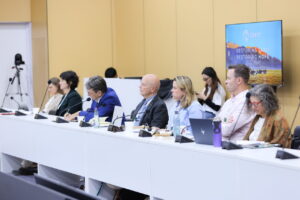
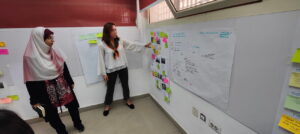
Our first virtual workshop brought together over 100 educators for four days (6-9 October, 2026) from across Asia-Pacific to learn how our open access course titled, Trigger Change! “Innovations in Sustainable Urban Land Restoration, can be embedded in their university courses and curricula.
Hosted by Universitas Gadjah Mada, Indonesia, in collaboration with TH Köln (University of Applied Sciences, Cologne, Germany), the United Nations University Institute for Environment and Human Security and UNCCD-G20 GLI, the programme consisted of technical sessions, case study presentations, feedback sessions, empowering participants to become more familiar with concepts related to sustainable urban land restoration, nature-based solutions, multi-functional city designs, inclusive governance, rights and equity.
According to workshop participant S. Sawaludin from Halu Oleo University, Indonesia, “This course is very important and has provided me with valuable new knowledge and insights. It has also encouraged me to think about how the SULR approach can be applied to address land degradation issues in my region, particularly those associated with nickel mining activities.”
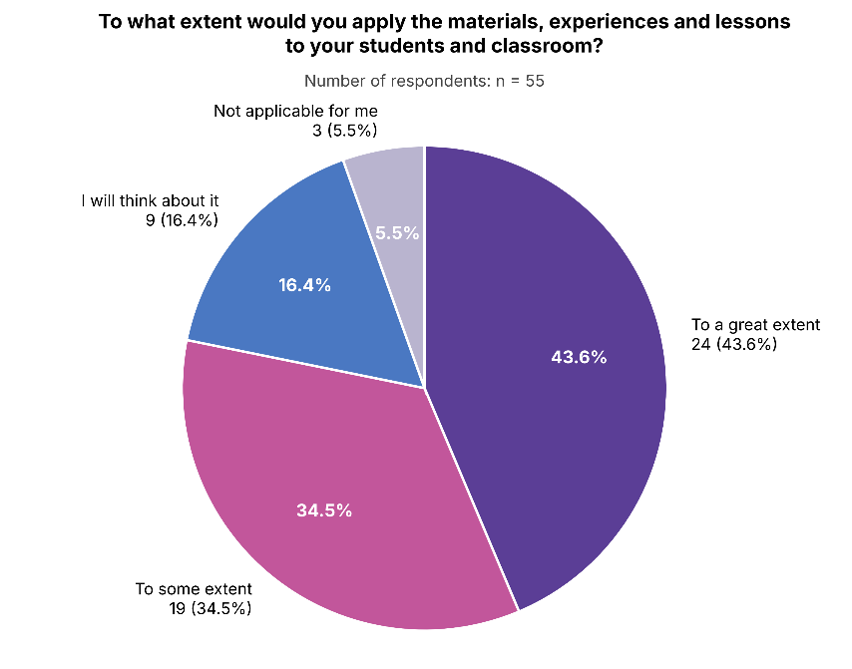
Participants were encouraged to join our community of practice of land restoration professionals through our LinkedIn group: https://www.linkedin.com/groups/14488142/ (All are welcome!). Initial results (Figure below) show that a majority of participating educators (78.1%) are planning to embed parts of or the entire “Trigger Change! Urban” course.
Educators are invited to register for upcoming workshops:
26-29 October 2026: Middle East and North Africa (Registration open)
16-19 March 2027: South America, entirely in Spanish
To download the Trigger Change! course (free access):
- Innovations in Sustainable Urban Land Restoration here
- Innovative Sustainable Agriculture Solutions for Land Restoration here
Not an educator ? Green skills for you!
Want to learn about land restoration, green jobs, and how to channel climate and Artificial Intelligence anxiety into a meaningful job opportunity?
Then our upcoming Massive Open Online Course (MOOC), “Opportunities in Land Restoration – AI optional, hands needed” is for you!
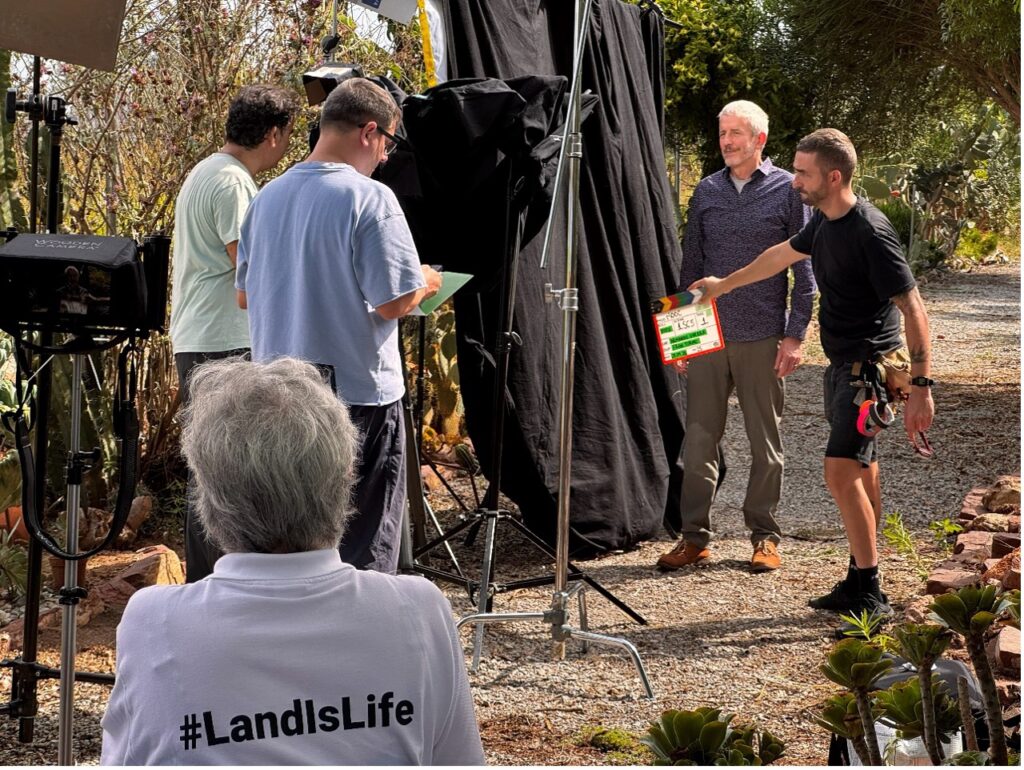
And here’s a sneak preview of a behind-the-scenes shot from our recent film shoot with expert Prof. Nick Leimu-Brown, Oxford University, who is one of the main course content developers.
It is going to be fun learning, with entertaining quizzes, documentary films, personable interviews with land restoration practitioners from around the world who share their career pathways and advice and a few surprises.
We won’t reveal much more quite yet.. But do sign up to stay informed for our launch date in early 2027.
https://g20land.org/active-campaigns/innovation-in-land-restoration-101-leadership-track/