Green business, real impact: how the young generation can lead green business to save our future
Photo credit: UNCCD/G20 Global Land Initiative
What happens when bold ideas, green technologies and impactful vision collide? We created a webinar that proves land restoration isn’t just an environmental goal, it’s a business opportunity with planet‑scale impact.
At the latest Generation Restoration Dialogue, hosted by the G20 Global Land Initiative, young voices and a senior expert explore how land restoration can be practical, profitable, and powerful.
From degraded land to sustainable business and livelihoods
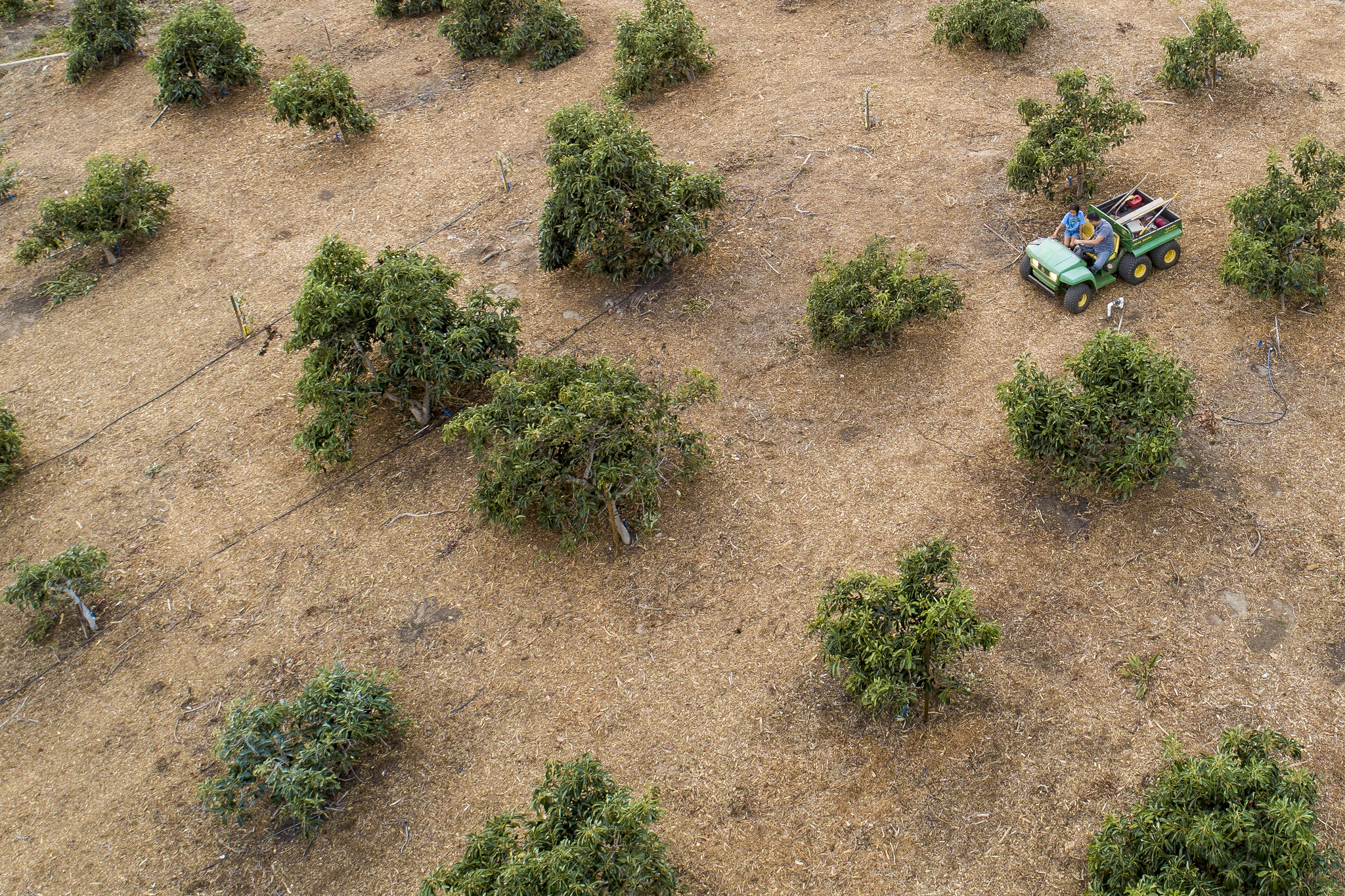
Paola Medina Agromayor, co-founder of a Senegal-based social enterprise, shared how reforestation and agroforestry can transform exhausted farmland into multi-use, income-generating farms. Their solution blends bamboo‑based greenhouses with trees surrounding that cool the land, restore soils and generate income clusters, proving that sustainable land management works best when larger economic benefits are produced for farmers.
This isn’t a charity or intangible framework. It’s a real green business that is sustainable and saleable.
Meanwhile, in Ecuador, Carlos Gonzalez is turning agricultural waste into climate gold. His startup uses biochar, produced through low‑cost pyrolysis, to achieve soil regeneration, boost crop productivity and store carbon in the long term. When ancient wisdom meets modern technology, the land is revitalized through regenerative agriculture, empowering smallholder farmers and healing our planet.
Why this matters now
Together, these stories hit home one clear message: climate‑smart agriculture is no longer optional but essential. Across the world, farmers are facing rising heat, unpredictable rainfall and declining yields. Solutions like agroforestry systems, soil amendments and water‑efficient facilities don’t just adapt to climate change, but actively reverse damage and protect people’s livelihoods.
And yes, they pencil out financially.
From improved soil health to new revenue streams through carbon markets, these attempts are environmental restoration combined with business blueprints. The webinar hammered home a central truth: restoration efforts can be organically scalable when it nurtures livelihoods.
A call to the next generation
Veteran land restoration leader Dr Tony Simons offered a reality check: 90% of startups fail—but those rooted in vision, resilience and belief go the distance. His advice? Be bold, be honest, but never shift risk onto people who live on the land there – this is the essence of sustainable business.
The takeaway was loud and clear: to lead green businesses that save our planet, ecotrepreneurs should grow their business through their passion, innovation, and dedication.
The bottom line
This webinar didn’t just talk about saving land. It showed how land restoration, regenerative agriculture, soil regeneration, and more are shaping a green economy, the one led by the next generation, powered by innovation and grounded in communities.
The sustainable future of our planet isn’t waiting. It’s being built and approaching, one step at a time.