Generation Restoration Dialogue sparks youth action on food systems and land restoration
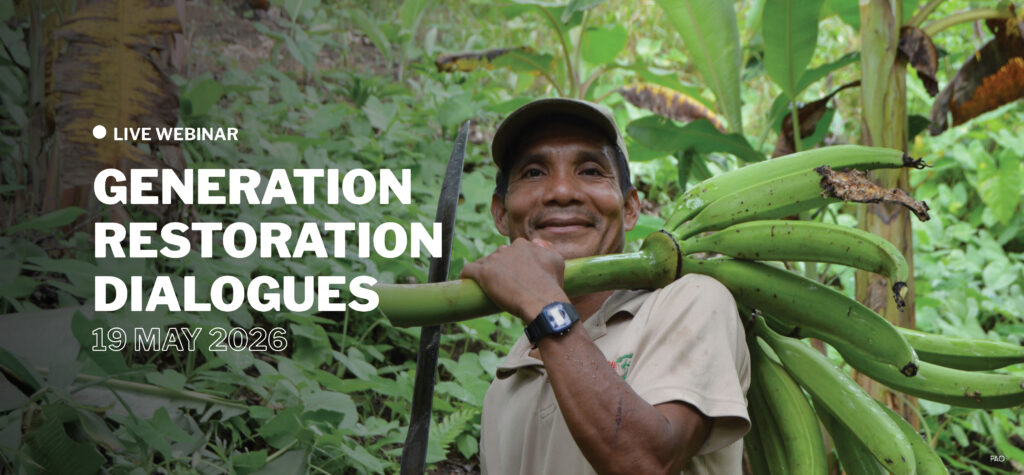
Photo credit: UNCCD G20 GLI
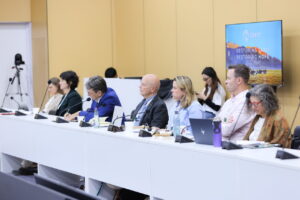
On 19 May 2026, the UNCCD G20 Global Land Initiative (GLI) brought together young changemakers and global experts for its latest Generation Restoration Dialogue, focusing on the urgent link between food systems and land restoration. Hosted by Sabrina Debrard, a webinar coordinator and co-hosted by Nour Barakat, Social and Environmental Researcher, the session highlighted a growing global movement powered by youth ready to turn ideas into action.
The discussion opened with a clear message: today’s food systems are the leading driver of land degradation. “We all think about food every day,” said Debrard, “but we’re probably not considering its impact on land.” With demand for food expected to rise sharply, speakers stressed that sustainability in food production is no longer optional. As UNCCD advisor to the Deputy Executive Secretary, Gabriel Lambert put it, “This will not be possible if farming systems are not transforming.”
Soil health and the future of food
Speakers emphasized that soil lies at the heart of the crisis and so does the solution. Industrial farming practices were described as harmful to both ecosystems and human health.
“Industrial farming is farming against nature… it is depleting our Earth systems and undermining our health,” said Maarten Klop, a community organizer at CommonSource and founder of Grounded, working at the intersection of food, people and nature.
Lambert added that healthy soils connect food security, biodiversity and climate action: “Without a good level of biodiversity in your soil, you will not achieve anything.”
Regeneration and local solutions
The dialogue spotlighted regenerative approaches such as agroecology and agroforestry as practical pathways forward. Klop highlighted the power of working with nature: “Through supporting natural functions of soil biology, you create more and more abundance.”
Local food systems also emerged as a key solution. By connecting farmers directly to communities, these models improve resilience and reduce environmental impact. “The world can feed itself through localized production,” Klop noted.
Youth at the centre of change
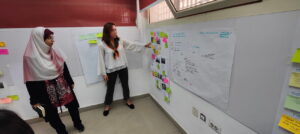
A defining theme was the role of youth as active drivers of restoration. Engagement begins with experience—through food, farming and community action.
“It starts with something fun, delicious and that you want to be part of,” said Klop, emphasizing the importance of making sustainability accessible.
Lambert reinforced the need for early education, noting, “That’s where you plant the seeds at the very beginning.”
From dialogue to action: COP17
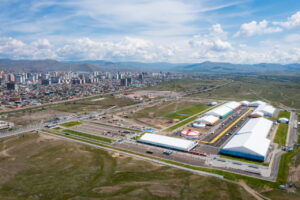
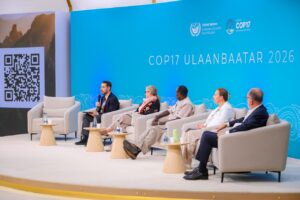
The session also built momentum toward UNCCD COP17 in Mongolia, where a dedicated Food Systems and Soil Health Day will bring policymakers, farmers and youth together.
“The challenge is huge,” Lambert said, “but we see positive elements.”
The 19 May dialogue made one thing clear: transforming food systems is one of the most powerful ways to restore land and young people are already leading the way.