Markets are mobilizing for land and ecosystem restoration as businesses signal their interest
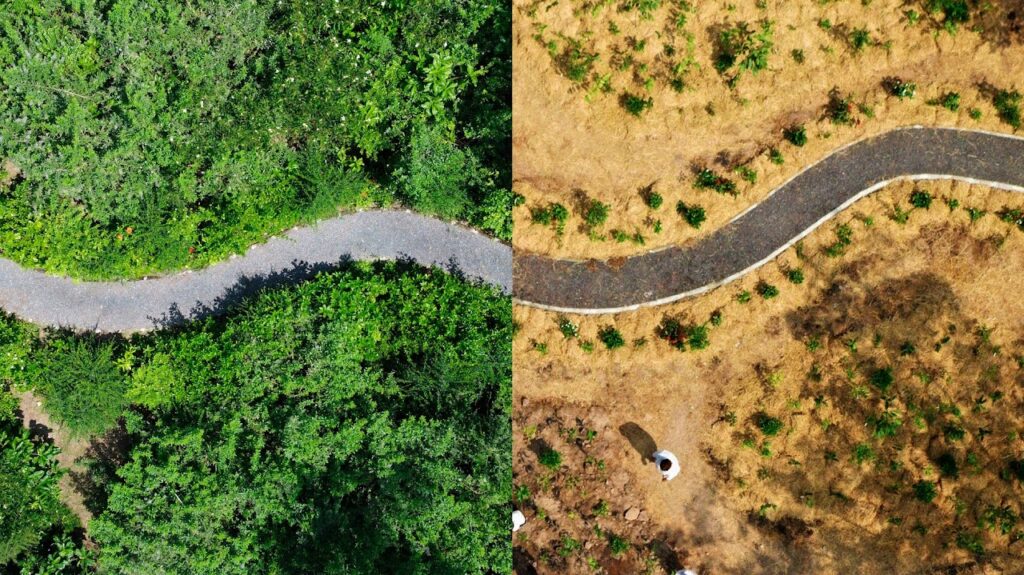
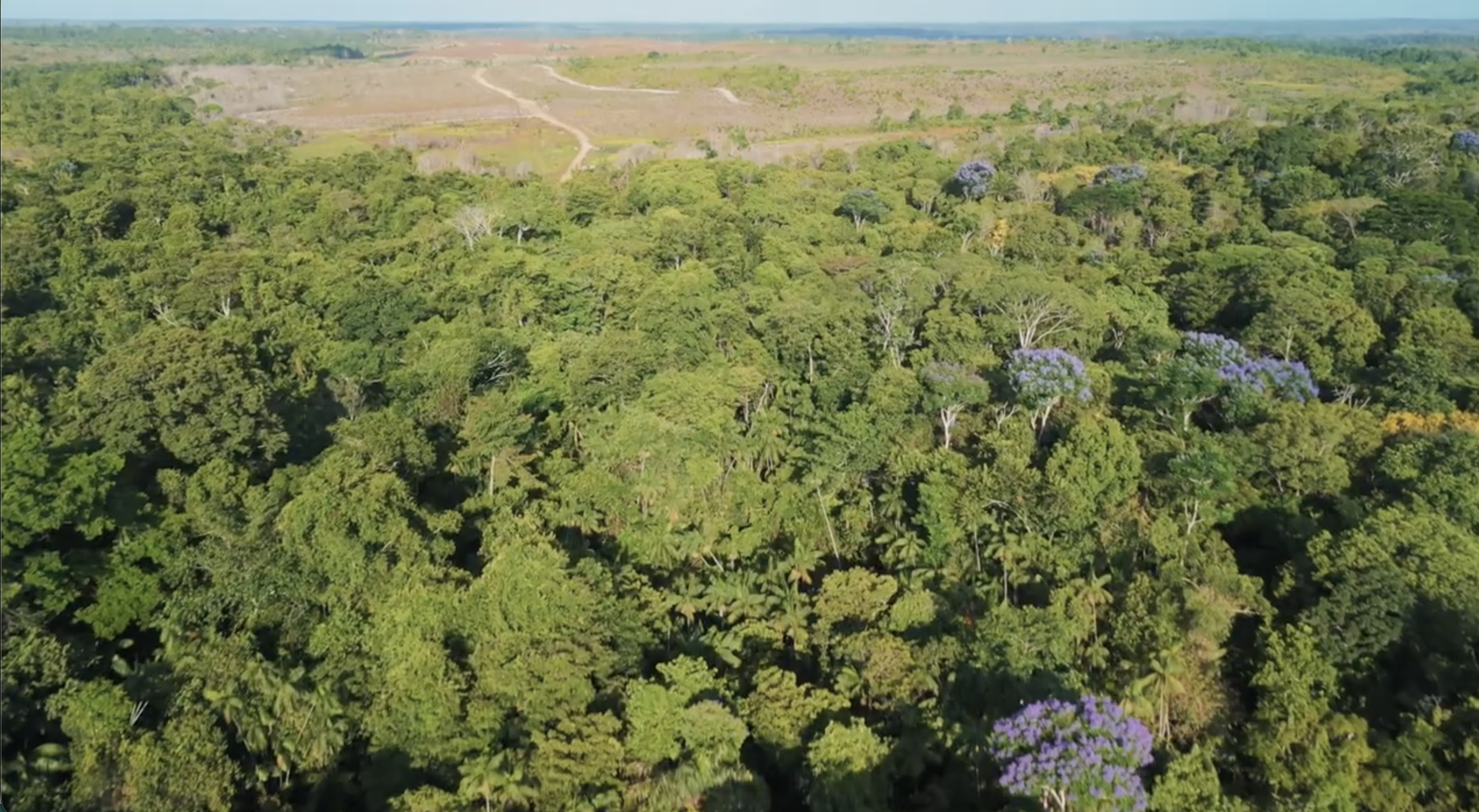
Photo credit: UNCCD G20 GLI
Every year, land degradation costs the world nearly USD 900 billion every year, but only USD 77 billion of the required USD 355 billion per year is raised to combat land degradation and drought. That leaves a gap of USD 278 billion every year, according to the UN Convention to Combat Desertification.
With the land restoration economy projected to exceed $70 billion by 2031, business are signaling their interest and exploring the potential in this economy, and weighing in on what it would take to grow and sustain it.
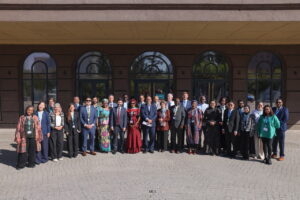
Participants at the Environmental Markets Conference (EMC) 2026 held from 27–30 April 2026 in Chattanooga, USA, sent a clear message: scaling restoration depends on aligning regulations, investment and on-the-ground capacity, including workforce development and education, to deliver lasting impact.
Over the course of four days, participants eagerly engaged in keynote sessions, policy dialogues, technical “how-to” sessions, working groups and field visits. Dedicated panels of investor-project matchmaking, technology showcases, and peer exchanges enabled participants to move from ideas to partnerships and deployment.
The outcomes are significant not only because the restoration economy in the United States is among the most advanced globally, but also because the conference convened leaders from the government, front-runners from finance and industry as well as voices of civil society to advance practical, market-based solutions for ecosystem restoration.
Organized by the Alliance for Environmental Markets & Investments (AEMI), EMC serves as the premier platform for collaborations in high-integrity environmental markets. It focuses on solutions spanning wetlands and stream mitigation, carbon and biodiversity markets, water quality and large-scale ecological restoration.
A key highlight of EMC 2026 was a presentation by Professor Todd BenDor, Distinguished Professor at the University of North Carolina at Chapel Hill. Building on his paper Global Land Restoration Economy: State of Play and Recommendations for Scale-Up, commissioned by the United Nations Convention to Combat Desertification (UNCCD) – G20 Global Land Initiative, BenDor explored how restoration is emerging as a distinct economic sector—one capable of generating significant employment, progressive investment, and environmental returns at scale.
A recurring theme in the discussions was an emphasis on how the restoration economy embodies a coordinated ecosystem of actors. It brings together regulators, landowners, implementers, investors and insurers. A powerful combination of enabling policies and credible market frameworks supports this diverse ecosystem.
Sponsors active across restoration implementation, mitigation banking, land stewardship, and environmental finance supported this historic event, reflecting the growing role of private-sector actors in turning restoration ambition into ecological and economic outcomes.
The momentum and conversation from EMC 2026 will continue in the global policy arena at the Restoration Industry symposium and Business 4 Land Forum during the UNCCD COP17 this August in Mongolia. Motivated stakeholders are keen to continue the conversation to shape the future of environmental markets and the restoration economy.