
It helped build strong political support, opened up easier public access to geospatial platforms that show land restoration data—including threats to ecosystems, biophysical trends, climate variables, and socioeconomic conditions—and inspired both young people and civil society to get involved.
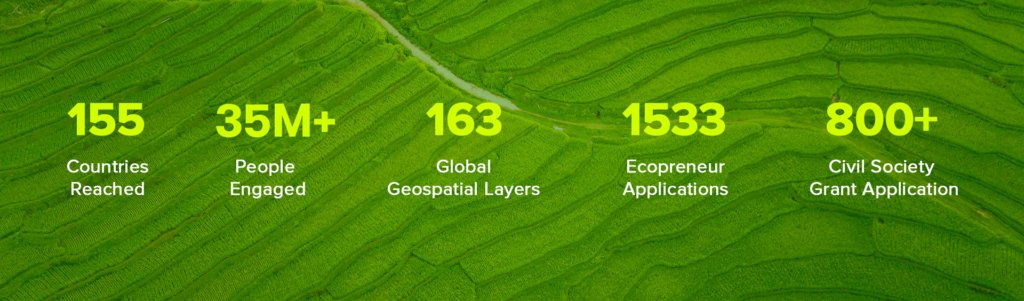
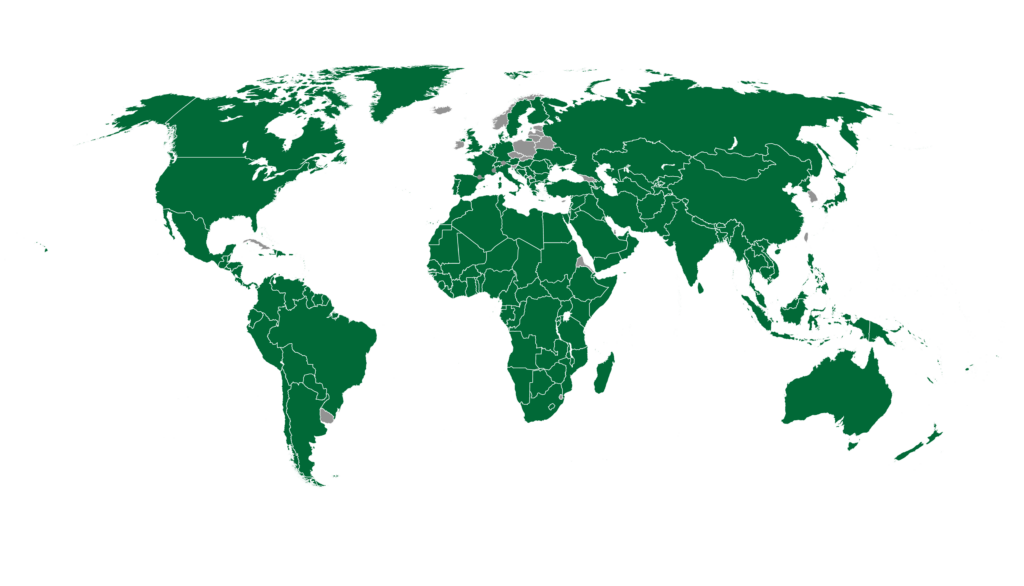
The initiative also pushed forward a new “restoration economy,” which could attract up to US $1 trillion in financing by 2040. With activities in 155 countries and communication efforts reaching over 35 million people, 2025 became a year of unprecedented scale and global impact for land restoration.
Over the past five years, we have witnessed the devastating impacts of floods, wildfires, heatwaves and droughts on our cities, our farmlands and our natural ecosystems. No country is immune. In a world of accelerating climate extremes, there are no winners — only mounting human, economic and ecological costs borne first by the most vulnerable.
Yet we have also seen what is possible when political will meets collective action. In quick succession, the world in 2020 agreed on three landmark commitments: the United Nations Decade on Ecosystem Restoration; the G20 Global Land Initiative, with its pledge to cut degraded land by half by 2040; and the Kunming–Montréal Global Biodiversity Framework, committing to restore 30 per cent of degraded terrestrial ecosystems by 2030. Together, they send a clear message: land is finally being recognised for what it truly is — the foundation of our future.
Land is more than soil. It is dignity. It is memory. It is security. It is opportunity. Healthy land sustains our food and water, anchors our cultures and supports our livelihoods. Where land thrives, people thrive. And where people thrive, peace grows.
The G20 Global Land Initiative is helping to turn this global ambition into real-world action on the ground. In 2025, it expanded access to country-level land data and decision-making tools, showcased practical solutions from every region, supported youth and civil society innovators, engaged businesses in the restoration economy and strengthened dialogue among policymakers and parliamentarians. These are not abstract achievements — they are the building blocks of delivery.
The next five years are decisive. Climate shocks will arrive faster and hit harder. To meet this moment, three shifts are essential: stronger coherence across climate, biodiversity and land agendas; deeper
private-sector engagement to unlock investment, innovation and livelihoods; and bold national leadership that mobilises communities, local authorities and businesses to protect healthy land and restore what has been lost.
This year’s global conferences under the three Rio Conventions offer a rare opportunity to align ambition with action – and move from promise to practice. Because the future will not be shaped by the promises
we make, but by the choices we make and actions we take. And when we choose to restore land, we choose resilience, dignity and peace.
In 2025, the G20 Global Land Initiative continued its work to prevent, halt, and reverse land degradation—in other words, stopping the loss of healthy, productive land around the world. With a mission to help countries protect nature, manage land sustainably, and restore damaged areas, the Initiative expanded its efforts significantly.
Through its Coordination Office, the Initiative connected—directly and indirectly—with 155 countries through global partners. This growing international reach is essential for spreading awareness of its mission and ensuring that every country has the chance to participate, benefit, and collaborate in restoring land for future generations.
It marked the third year of the Initiative Coordination Office (ICO) operations, with activities across all pillars accelerating significantly. At the same time, 2025 marked five years since the leaders of the Group of 20 (G20) established the Initiative. The ICO used this opportunity
to reflect on the changing landscape of land restoration since the Initiative’s inception in 2020.
2025 marked an important milestone for the G20 Global Land Initiative (GLI)—the third full year of operation for its Coordination Office and five years since the Initiative was created by the G20. It was a year of fast-paced action combined with big‑picture reflection, leading up to the Riyadh+5 Review.
The GLI expanded cultural and community engagement through the Save Land exhibition, energized young innovators at the Reforest Festival, grew its support for ecopreneurs, and launched GeoGLI—the most comprehensive geospatial platform for land restoration, covering threats to land, biophysical trends, climate variables, and socioeconomic conditions.
In total, the Initiative reached 35 million people through communications and engaged 74,000 people in person. It also strengthened its work with parliamentarians, faith leaders, regional organizations, and G20 processes, showing clear and growing political momentum behind global land restoration.
Under South Africa’s G20 Presidency, land degradation, drought, and water sustainability were prioritized as core issues. The GLI provided technical inputs, co-organized side events, and contributed to Technical Paper 8 on large-scale restoration.
The G20 Environment and Climate Sustainability Working Group (ECSWG) Chair’s Summary acknowledged:
million hectares of land is degraded every year.
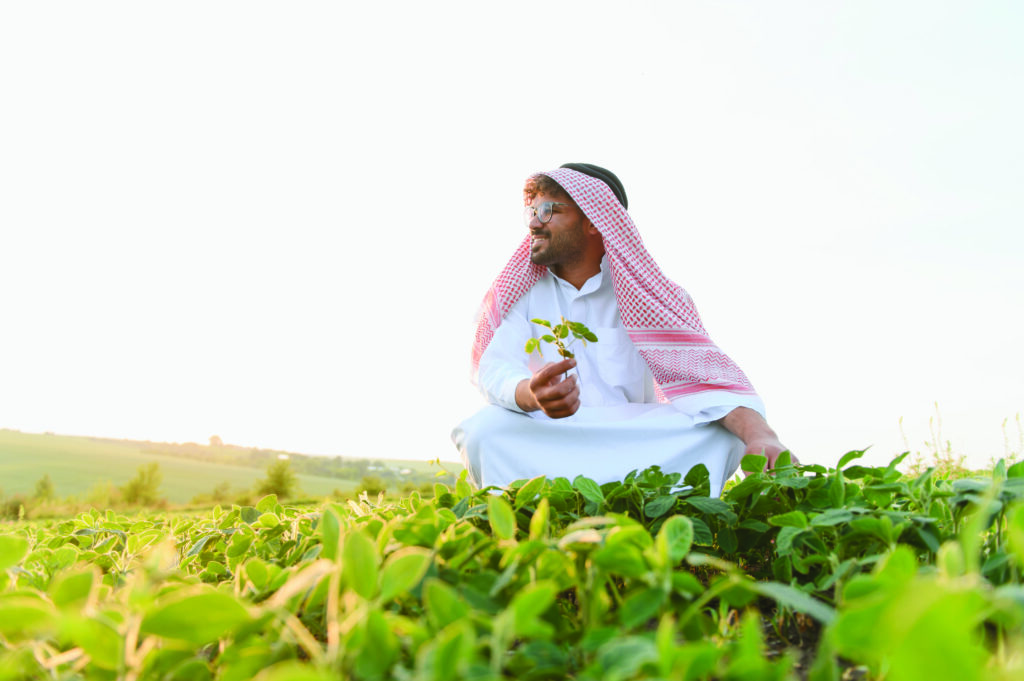
2025 saw a major increase in the G20 Global Land Initiative’s engagement across the Arab region. The Council of Arab Ministers Responsible for the Environment (CAMRE) adopted decisions encouraging Arab States and the League of Arab States to join the Initiative as Associate Members.
Across the region, governments strengthened the links between land management, food security, and drought resilience, creating a strong political foundation for even deeper cooperation in 2026.
©Elements Envato
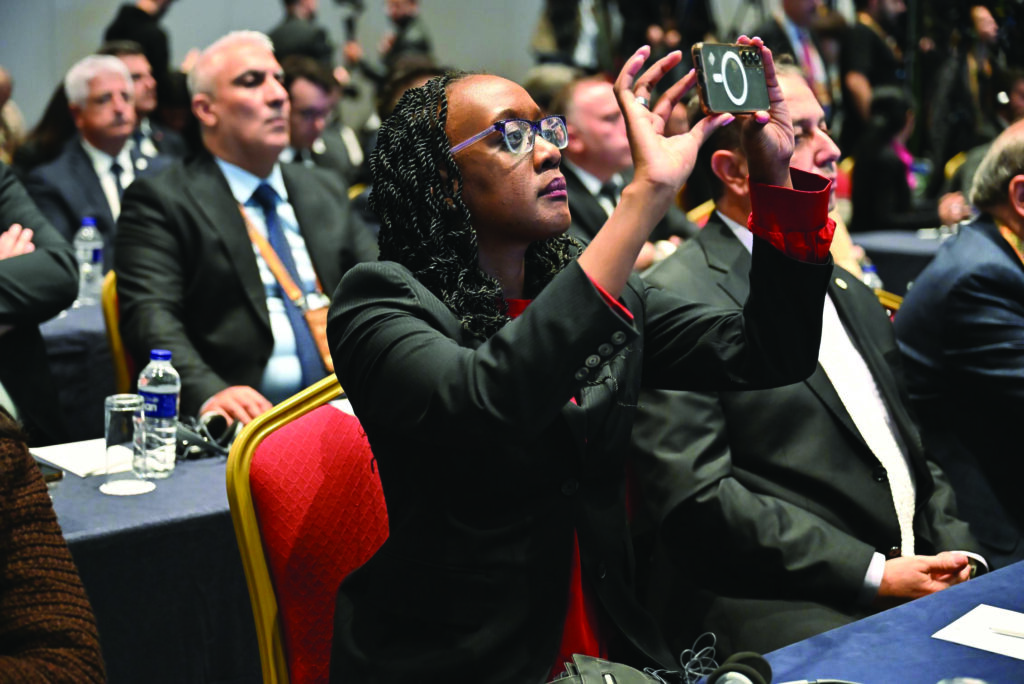
A major milestone in 2025 was the first‑ever engagement with countries of the Organization of Islamic Cooperation (OIC). The event brought together 57 Member States to explore how they could collaborate with the G20 Global Land Initiative through its Associate Membership framework.
The webinar highlighted Türkiye’s leadership on Land Degradation Neutrality and opened the door for long‑term technical cooperation and knowledge exchange across OIC countries—setting the stage for deeper collaboration in the years ahead.
©Elements Envato
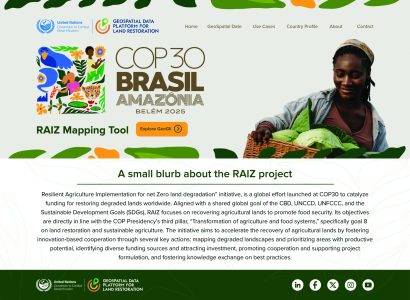
The RAIZ Tool identifies where agricultural restoration delivers highest returns—environmental, social, and economic. It maps degraded cropland and pastureland globally and supports the broader effort to restore 250 million hectares of farmland by 2030.
At Europe’s largest student hackathon, the GLI case on the Sahel drew the highest participation—with 29 teams and 80 participants. Teams built dashboards, visualized 20-year trends, and generated new spatial insights for restoration.
Participants used a wide range of global datasets, such as long-term land-cover records, rainfall estimates, population data and infrastructure layers, using Global Information Systems platforms and multiple programming environments.
Participation in IFIW2025 strengthened collaboration with Türkiye across fire resilience, forest management, and restoration technologies—positioning the GLI within influential regional policy spaces.
By bringing land restoration and fire resilience into wider policy and cooperation discussions, the Initiative helped turn technical knowledge into practical, policy‑relevant dialogue—making it easier for decision‑makers to act.
©Türkiye General Directorate of Forestry
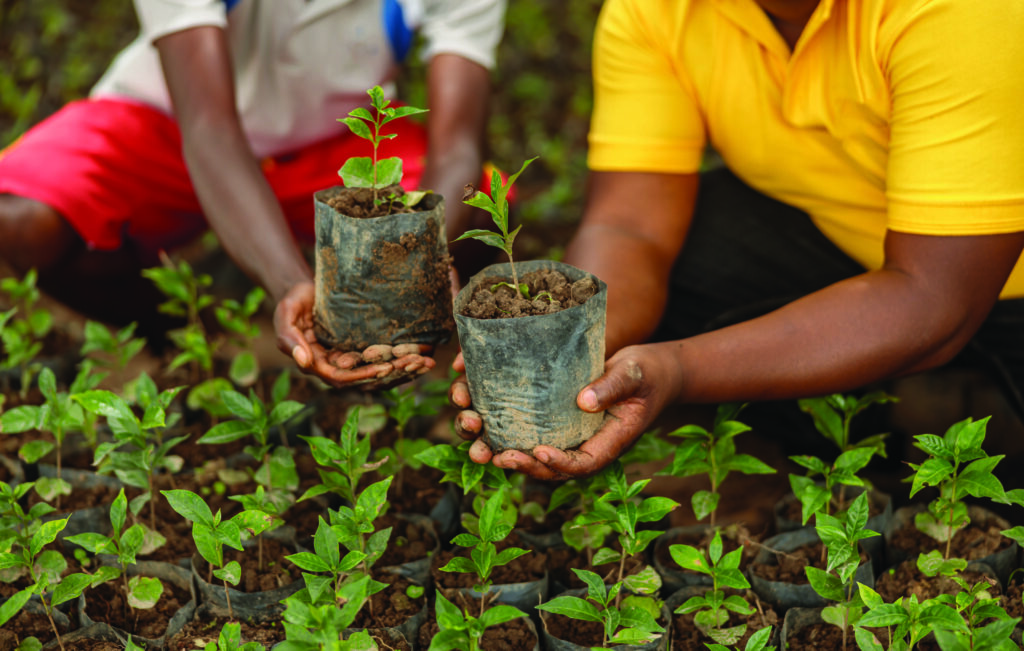
The GLI’s flagship grants programme scaled dramatically in 2025, attracting 800+ applications from 103 countries. The first cohort of 39 grantees began implementation, with projects spanning reforestation, sustainable agriculture, soil restoration, and water management—primarily in Africa, Latin America, and Asia.
©Axel Fassio/CIFOR
The Faith4Land campaign mobilized faith actors—who collectively steward 8% of global habitable land and operate nearly half the world’s educational institutions. A High-Level Faith Leaders Meeting launched the first Stocktake Report and strengthened alignment between faith action and national restoration policies.
Faith leaders, who collectively steward
of habitable land and nearly half of the world’s educational institutions, are now active contributors to restoration policies and programmes
The GLI’s latest technical paper shows the rise of a global restoration economy—one that already supports 225,000 jobs each year in the United States and could generate US $1.5–2 trillion in economic value worldwide.
A dedicated side event at Committee for the Review of the Implementation of the Convention (CRIC 23) helped advance plans for a global restoration industry platform, bringing together partners to shape this emerging economic sector.
Restoration is not only ecological but economic. In the United States it already supports
jobs annually, showing the sector’s growth potential globally.
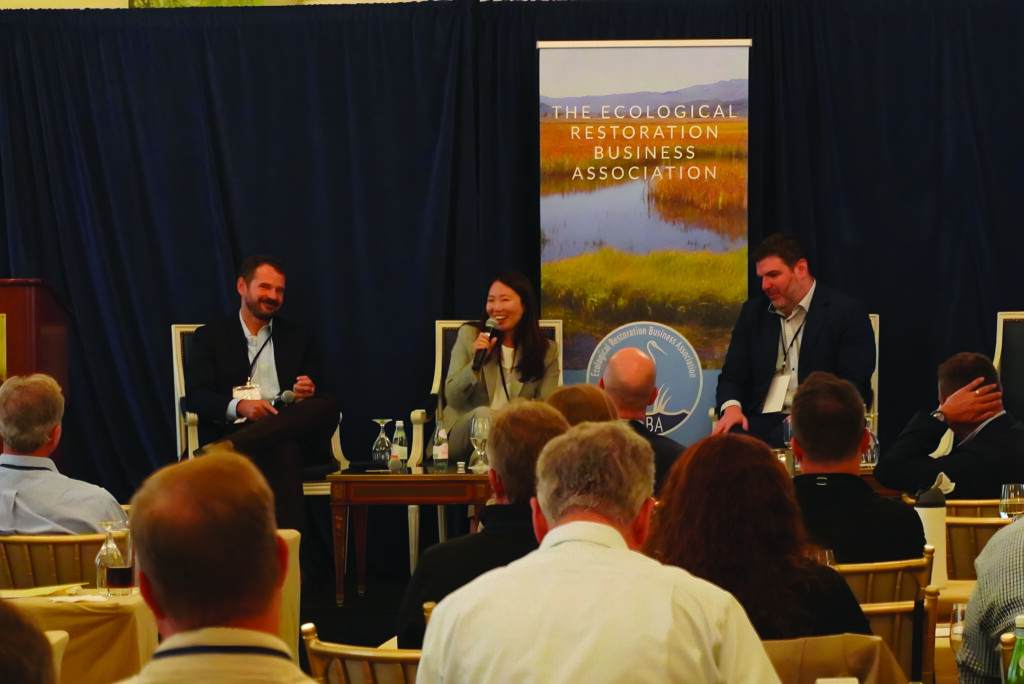
In October 2025, the Initiative Coordination Office joined the ERBA Policy Conference in Washington, DC, using the event to strengthen ties with restoration companies, investors, and policymakers ahead of the G20 GLI’s 2026 International Symposium on the Emerging Restoration Industry. Through its exhibition booth, the Initiative highlighted its key work—including the Global Land Restoration Economy Report—and promoted dialogue on scaling restoration as a viable economic sector.
During the conference, the ICO delivered a presentation on the global restoration economy, sharing emerging market trends and lessons from restoration industries in the United States and Brazil. The message focused on how supportive policies, clear standards, and blended public–private finance can professionalize restoration services and attract long‑term investment.
©Yuejiao Wan
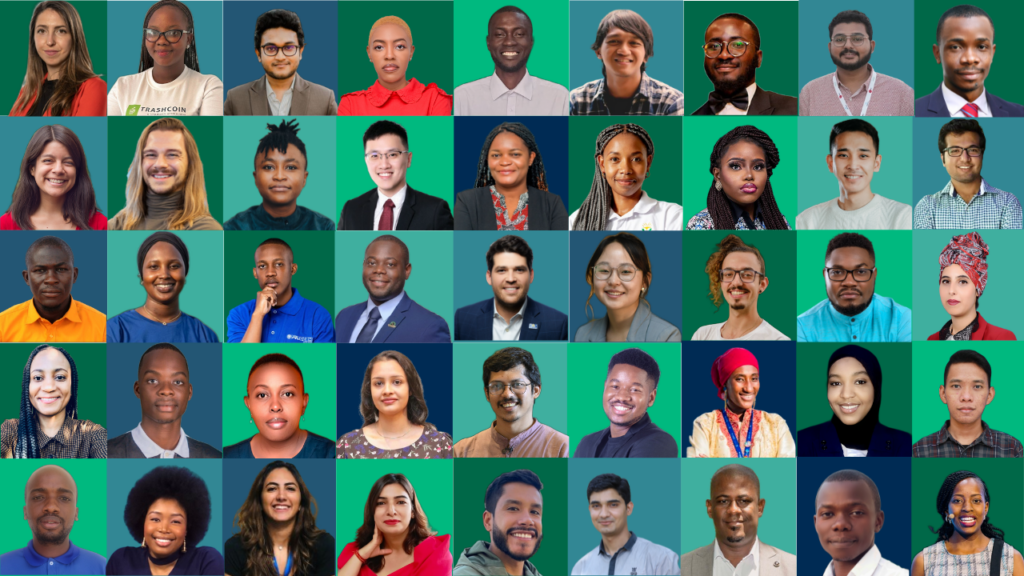
The YECO programme registered 1,533 applications from 120 countries, a sharp rise from 2024. Participants completed a 10-week global bootcamp, with top ventures advancing to an accelerator supported by ITC, EY, Google for Startups, WIPO, and Sidley Austin.
In Brazil, the GLI engaged more than 650 entrepreneurs and launched a national training programme. In Kenya, over 150 youth ecopreneurs participated in lectures, field visits, and the country’s first Land Restoration Enabler Award. A hackathon generated 538 solutions for land degradation.
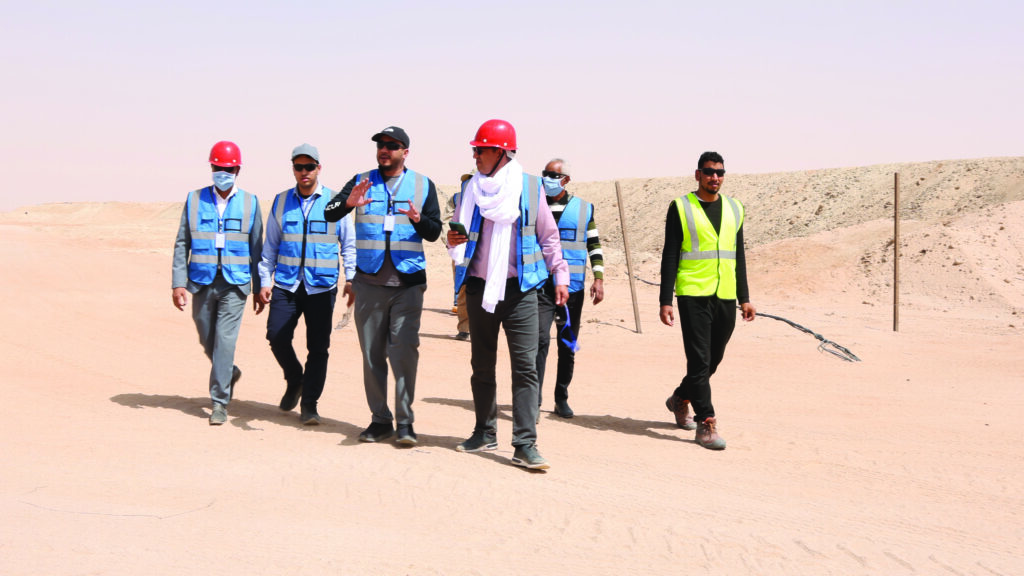
A scoping mission to five regions in Mauritania identified environmental and social impacts of artisanal mining and produced a five-year action plan for rehabilitation using geospatial mapping and stakeholder consultations.
©UNCCD/G20 GLI
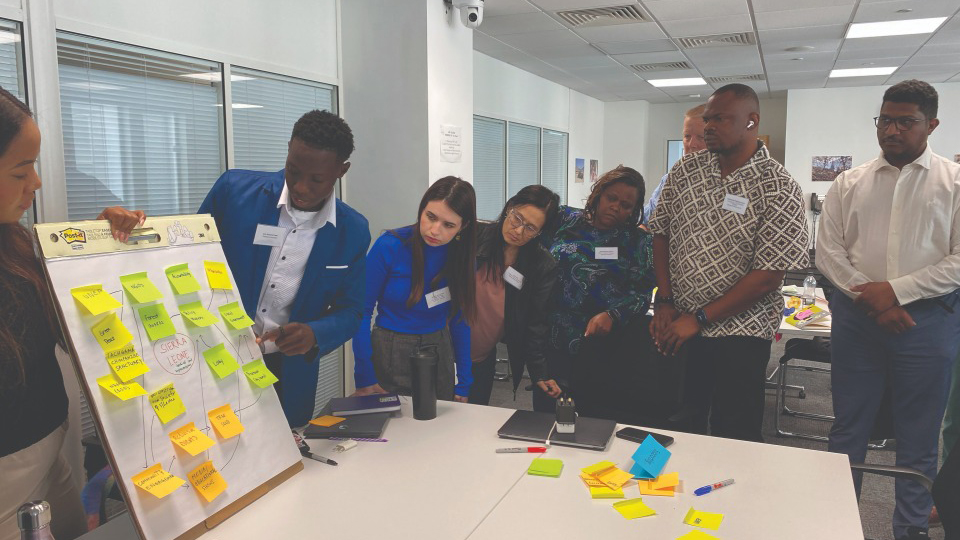
The third Global Changemaker Academy for Parliamentarians (G-CAP) cohort trained 29 parliamentarians, bringing the alumni network to 82 parliamentarians from 49 countries. Several alumni have already begun advancing national-level land restoration legislation.
©UNCCD/G20 GLI
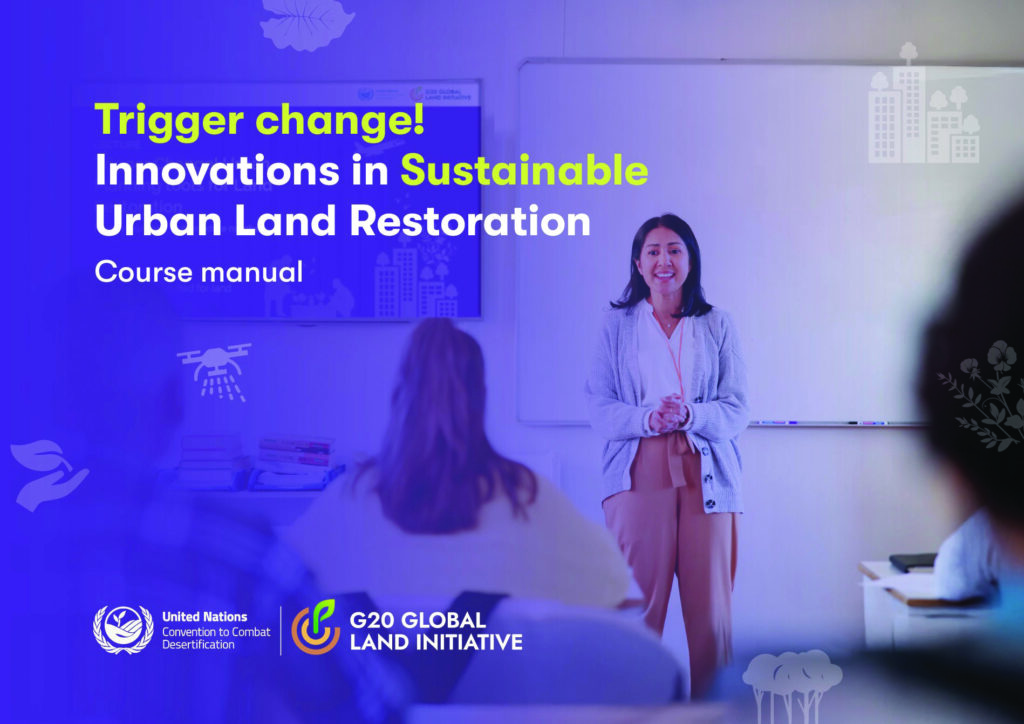
Two full university courses—on agricultural and urban restoration—are now taught in 618 and 185 institutions, respectively, reaching over 24,000 students. An MOOC is under development for launch in 2026.
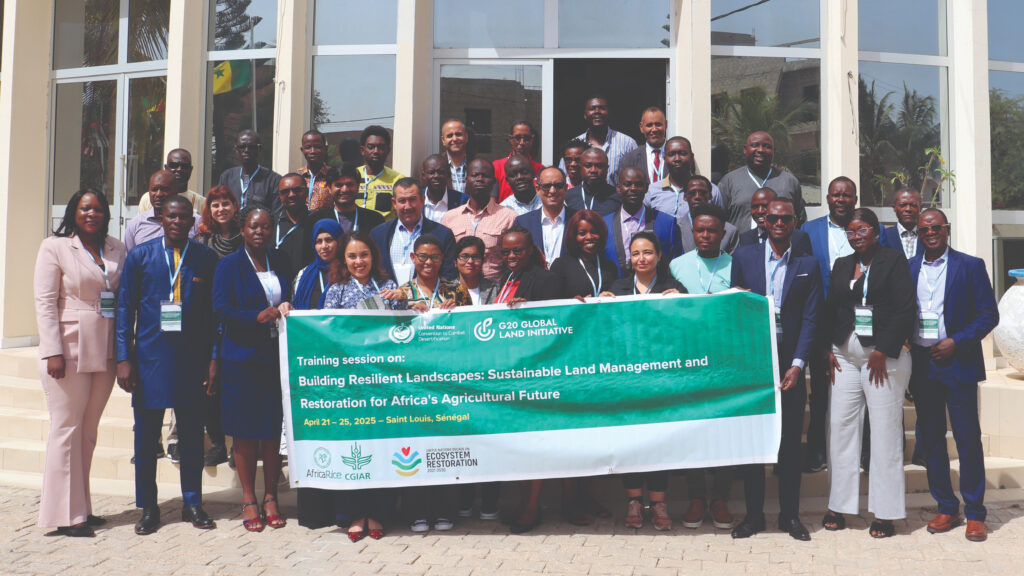
A flagship training in Senegal attracted high global interest—with over 5,000 applicants and engagement from 20,000. Participants practiced GIS, diagnostics, cropping systems modeling, and developed landscape restoration plans.
©Africe Rice
Seventeen national actors from key ministries were trained in geospatial tools at the National Centre for Vegetation Cover Development and Combating Desertification in Riyadh, strengthening cross-institutional coordination for land restoration.
Senior government officials trained in a bid to strengthen national land restoration planning.
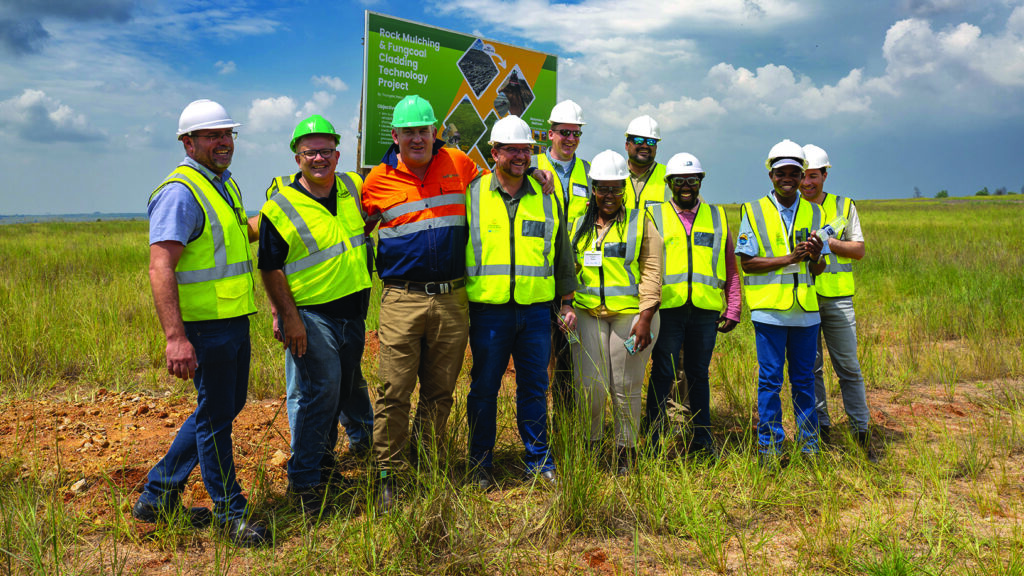
Nearly 60 participants from 20 countries joined the post-mining restoration training, combining lectures, group work, and field visits to sites in Mpumalanga.
The diversity of participants ensured equal representation of scientific knowledge, practical experience and the lived realities.
©FZN
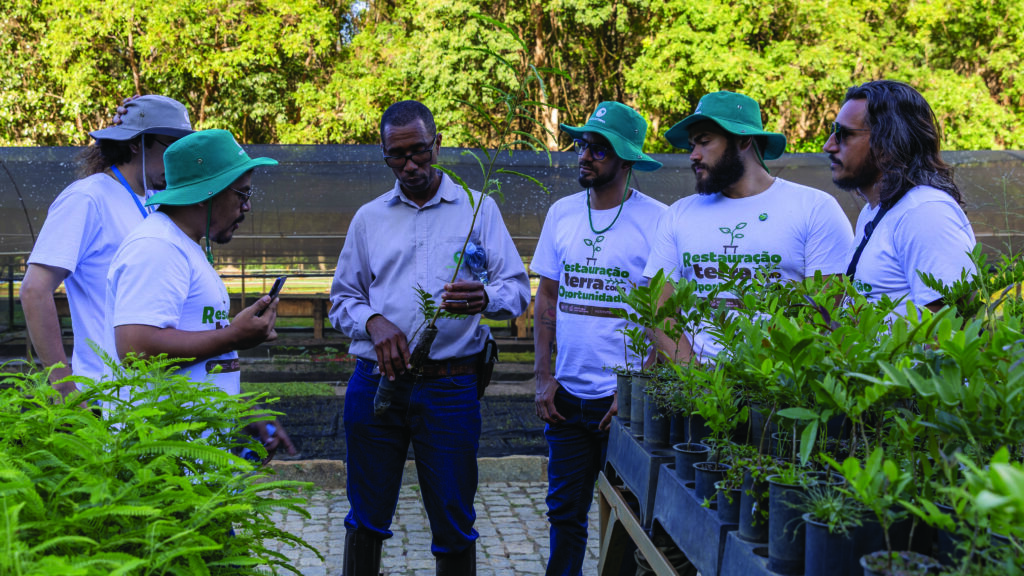
A 5-day immersive training at Instituto Terra connected 28 entrepreneurs across six biomes to hands-on restoration experience—from nurseries to Atlantic Forest fieldwork.
Beyond skills development, the training fostered the emergence of a collaborative network of land entrepreneurs.
©UNCCD/G20 GLI
The Faith4Land Masterclass trained faith actors using WWF’s Faith Tree Growing Guide and case studies from five countries, strengthening practical skills for integrating theology, community leadership, and restoration planning.
Faith organizations surveyed influence up to over
million people.
A curated programme at LSE trained 17 emerging communicators from 12 countries in strategic storytelling and digital communication—resulting in content reaching 246,000+ people in 2025.
©UNCCD/LSE
Website engagement grew to 173,000 page views (+37%), with 63,000 active users (+48%). Youth-focused webinars, podcasts, and YouTube content expanded global reach.
Returning users increased from 9,500 to 13,000, demonstrating rising loyalty and sustained interest in GLI content.
All platforms recorded substantial follower growth in 2025, indicating expanding visibility and a steadily growing audience base.
Higher percentage of follower growth than in the past two years
Save Land Exhibition
Reforest Fest
Photography Contest
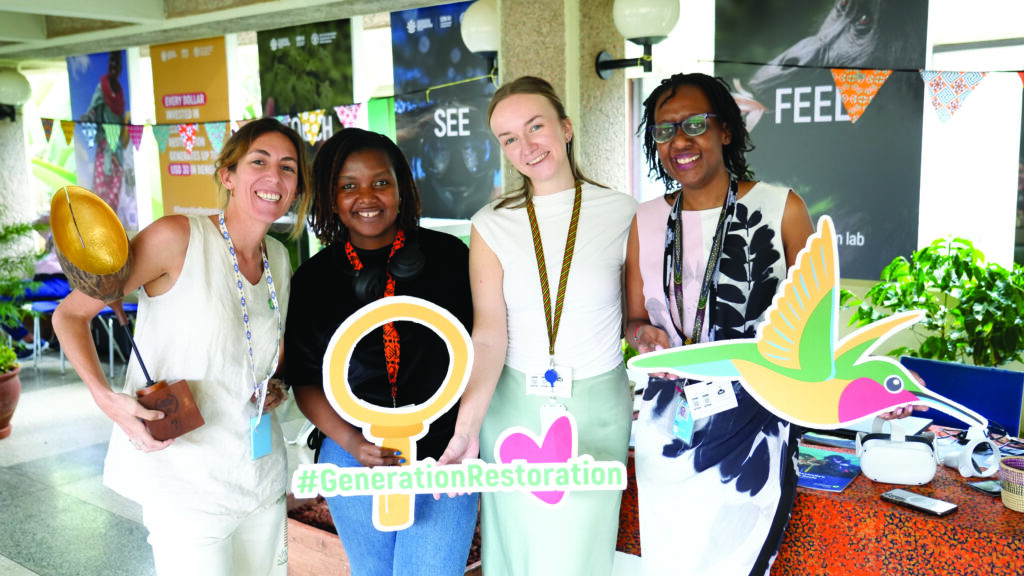
A strengthened partnership with the UN Decade on Ecosystem Restoration helped advance practical cooperation in 2025, including through the Land Challenge meeting and the UNEA‑7 (UN Environment Assembly) exhibition. These engagements highlighted shared goals and created space for direct technical exchange.
Together, these efforts reinforced the GLI’s role in supporting global restoration frameworks and improving alignment across the Rio Conventions, ensuring countries receive coherent support as they work to protect and restore land.
©UNCCD/G20 GLI
The year 2024 was pivotal for the Global Land Initiative. Land degradation and restoration remained prominent on the global policy agenda throughout.
The UN Environmental Assembly, G7 Leaders’ Summit, G20 Environment and Climate Change Ministers’ meeting, and BRICS Leaders’ Summit addressed land degradation and committed to scaling up land restoration efforts.
The European Union passed a new Restoration Law mandating quantitative targets for land restoration. The UNFCCC, UNCBD and UNCCD Conferences of the Parties (COPs), held during the last quarter of the year, reinforced land restoration as a crucial solution to combat land degradation, biodiversity loss and climate change.
Building on this favorable policy momentum, the Global Land Initiative continued to develop and deliver a robust program. In collaboration with the International Union for Conservation of Nature (IUCN), we completed a database on Global Restoration Commitments by countries under the UNCCD, UNCBD, UNFCCC and the Bonn Challenge.
Representing a significant increase in global commitments since 2021, the total global commitment now stands at 1.2 billion hectares, with 30 countries, including 11 G20 members, pledging to restore over 10 million hectares each.
The UNCCD, with financial support from the Global Land Initiative, published the first global restoration economy international report, titled, Investing in Land’s Future: Financial needs assessment for UNCCD. The report defines the private sector’s growing role in land restoration and its potential for creating green jobs.
The study outlines key recommendations to support the growth of the restoration economy, which has an associated market survey valued at $37 billion globally, growing at 8.2% annually and is projected to reach $70 billion by 2031. Together, these studies stressed the need for focused policy action to encourage private sector investment and engagement in the restoration economy.
Working with the International Trade Centre (ITC), the Global Land Initiative launched the first cohort of the “Global Ecopreneurs Program,” training 100 young entrepreneurs from restoration startups. These entrepreneurs received training on improving business plans and pitching to investors. We plan to scale this program regionally to reach 10,000 ecopreneurs by 2029.
Training remained a cornerstone of the Global Land Initiative, with programs on the restoration of mining areas, of urban lands, of lowland-based systems, of drylands and with biosaline agriculture. These trainings consistently attracted more applications than available slots. To accommodate this high demand and broader participation, we also conducted online webinars on these topics, in English, Arabic and French.
The first University Curriculum Course on Sustainable Agriculture for Land Restoration was launched this year. It reached over 400 university teachers, with over 100 trained on implementing the curriculum. A university module on urban land restoration is in its final stages.
Representatives from 25 countries attended the second Global Changemaker Academy for Parliamentarians held in Bonn. With the European Union Restoration Law’s passage, global best practices can now be discussed and adapted to national contexts.
The Global Land Initiative’s visibility surged with participation in the G20 Environment and Climate Change Working Group meetings in Brazil, the COPs of the UNCBD and UNCCD and 7 other international exhibitions. In December, the Initiative, in partnership with Germany’s Federal Museum of Arts and Sciences, opened the Save Land: United for Land Museum Exhibition, the first museum exhibition on land restoration, which will run until June 2025.
Online engagement grew, reaching over 35,000 newsletter subscribers and over 14,000 followers across social media platforms, and a global reach of nearly 400,000. The Global Photography Festival, which attracted 17,000 entries from 154 countries, further boosted visibility.
The Global Restoration Information Hub was launched in July 2024. It is a compilation of globally available data on land restoration from credible sources. The site provides information on global best practices, restoration commitments, best practice legislations, documentaries, restoration actors and other databases.
The Initiative issued a global call for communities and NGOs to submit their restoration projects for small grant support, receiving over 600 submissions from 100 countries. Forty-one projects from XX countries were selected for funding.
[Statement on faith, if the faith report is finalized]
The G20 Global Land Initiative Steering Committee was kept informed of developments through regular communication. It met in July and continues to provide guidance on program implementation. It received the work plan for 2025-26; an exciting period of action is ahead.
Lorem ipsum dolor sit amet, consectetuer adipiscing elit. Aenean commodo ligula eget dolor. Aenean massa. Cum sociis natoque penatibus et magnis dis parturient montes, nascetur ridiculus mus.
Donec quam felis, ultricies nec, pellentesque eu, pretium quis, sem. Nulla consequat massa quis enim. Donec pede justo, fringilla vel, aliquet nec, vulputate eget, arcu. In enim justo, rhoncus ut, imperdiet a, venenatis vitae, justo.
Nullam dictum felis eu pede mollis pretium. Integer tincidunt. Cras dapibus. Vivamus elementum semper nisi. Aenean vulputate eleifend tellus. Aenean leo ligula, porttitor eu, consequat vitae, eleifend ac, enim. Aliquam lorem ante, dapibus in, viverra quis, feugiat a, tellus.
Phasellus viverra nulla ut metus varius laoreet. Quisque rutrum. Aenean imperdiet. Etiam ultricies nisi vel augue. Curabitur ullamcorper ultricies nisi. Nam eget dui. Etiam rhoncus.
Maecenas tempus, tellus eget condimentum rhoncus, sem quam semper libero, sit amet adipiscing sem neque sed ipsum. Nam quam nunc, blandit vel, luctus pulvinar, hendrerit id, lorem. Maecenas nec odio et ante tincidunt tempus. Donec vitae sapien ut libero venenatis faucibus. Nullam quis ante. Etiam sit amet orci eget eros faucibus tincidunt. Duis leo. Sed fringilla mauris sit amet nibh. Donec sodales sagittis magna. Sed consequat, leo eget bibendum sodales, augue velit cursus nunc,
