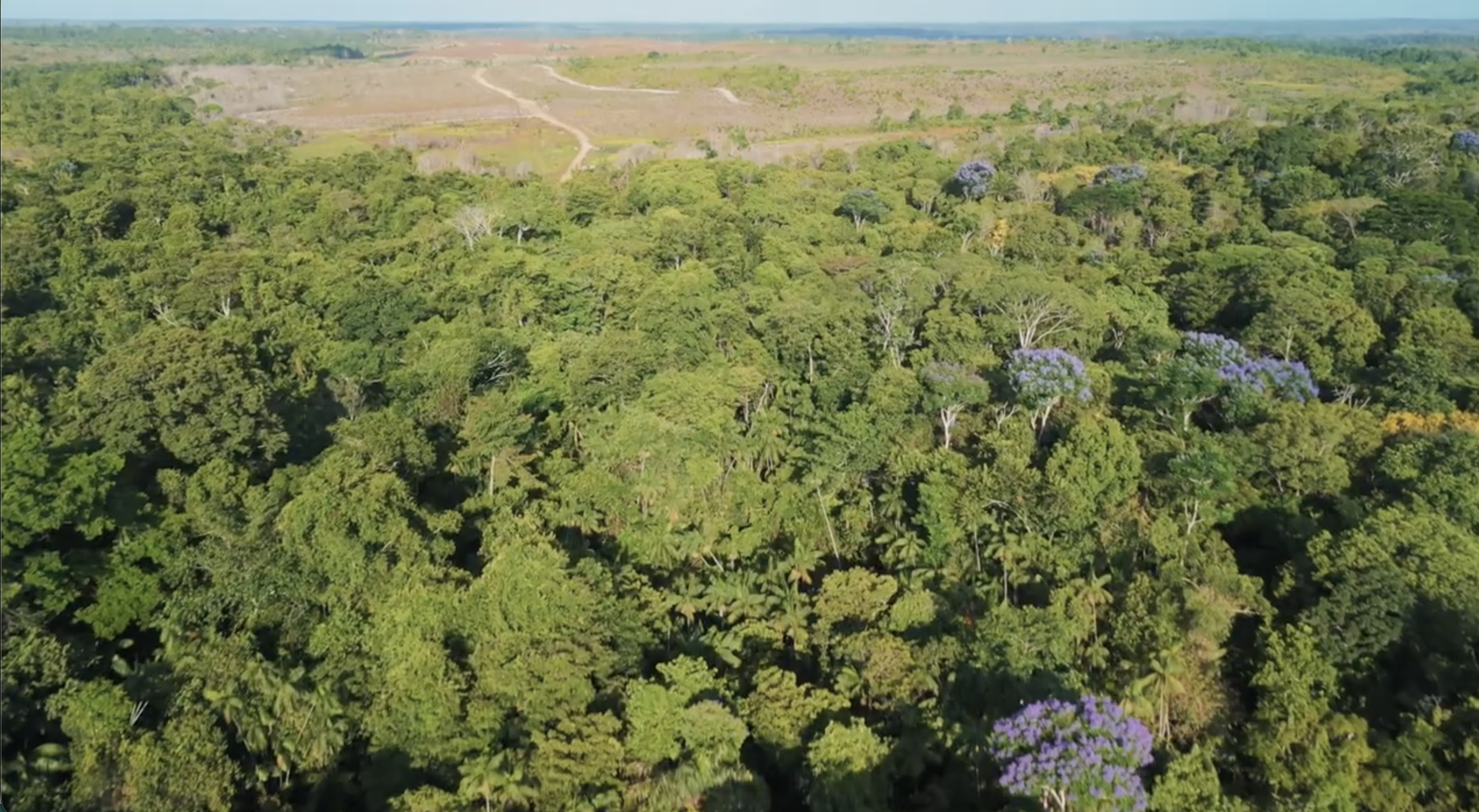
What it will take to turn a budding restoration economy into a mature global industry
Over 1 billion hectares are pledged for restoration worldwide, more than half of it by G20 countries. The question on the table is no longer whether to restore, but whether we have an industry capable of delivering at the scale and speed required.
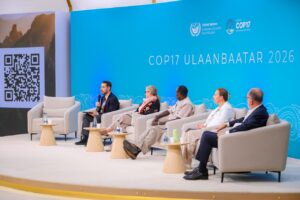
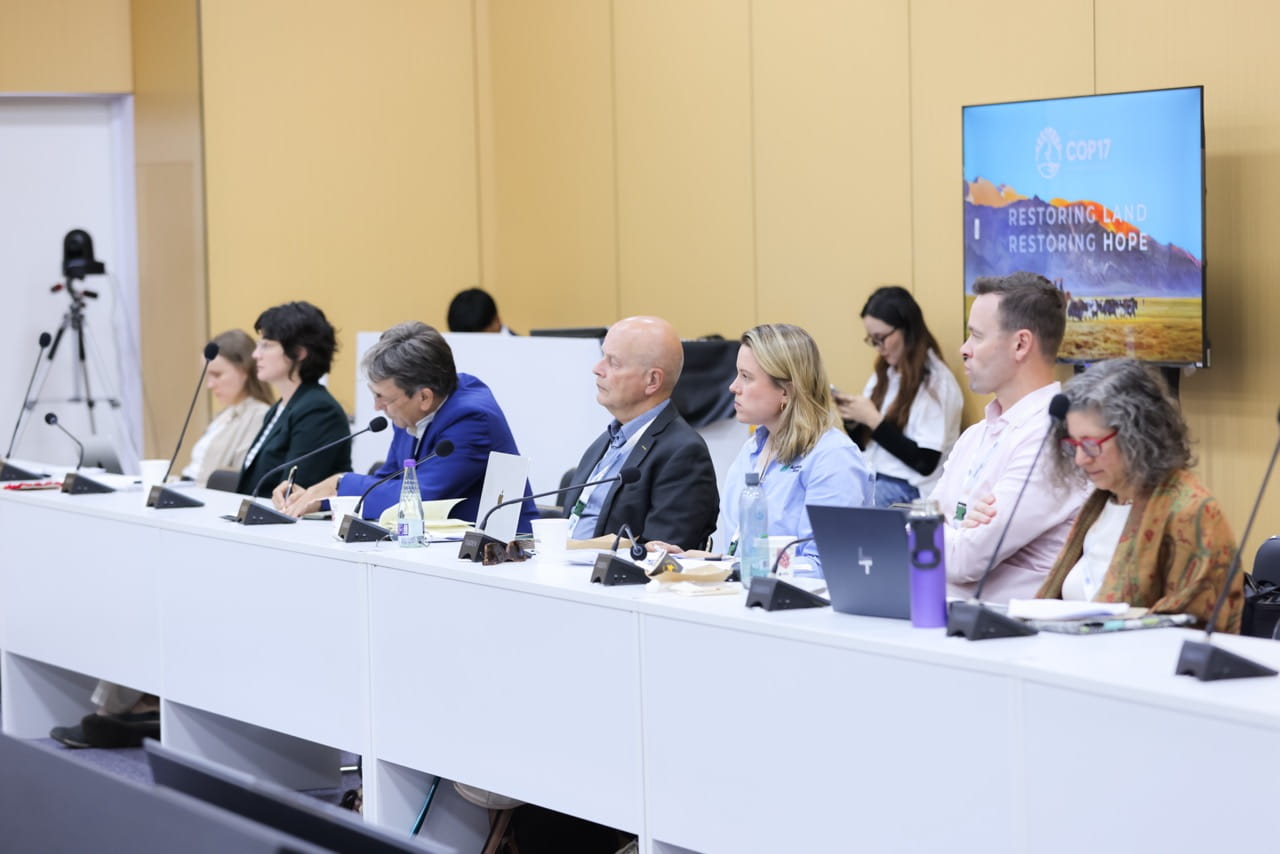
Entrepreneurs, financiers, regulators, and researchers in land restoration held a two-day Restoration Economy Roundtable to consider what it will take to turn land restoration from a series of isolated projects into a mature global industry.
The GLI’s 2024 technical paper, Global Land Restoration Economy: State of Play and Recommendations for Scale-Up provided the context for the Roundtable convened by the G20 Global Land Initiative at the 17th session of the Conference of the Parties to the United Nations Convention to Combat Desertification (UNCCD).
The Business Case
G20 GLI, World Resources Institute, Economics of Land Degradation Initiative and Commonland made the business case.
In Brazil alone, the restoration economy could generate up to $141 billion and more than 360,000 jobs by 2050 (Orbitas, 2025). Costa Rica has recovered over 52% of its forest cover since introducing payments for ecosystem services in the 1980s, and Rwanda is one of only three countries in Central/West Africa to have reversed forest decline since 1994. The challenge now: scale what is working ten times, and treat restoration as foundational to economic models, not an afterthought.
In the area of policy and regulation, the European Union’s (EU) Nature Restoration Law was unpacked by the European Commission Directorate-General for Environment: every €1 invested in restoration under impact assessments returns €8, and member states must restore 60% of degraded land by 2040. Panelists also laid out the real barriers: legislative gaps, thin political majorities, and land already claimed by renewables and mining.
The consensus: legislation creates the certainty businesses need to invest.
The Case for Job Creation
Regarding the workforce and skills, the International Fund for Agricultural Development (IFAD) made the case for smallholder farmers as the backbone of a bankable restoration economy, through occupations in agroforestry, smart agriculture and projects supporting herders with livestock and rangeland management.
In education, the numbers tell their own story: according to the Society for Ecological Restoration, the number of university degree programs offering restoration education has grown from just 11 to 120 in twenty years. But the workforce still faces real headwinds: siloed training, seasonal insecurity and inconsistent funding.
Three case studies showed restoration economics in action.
The grassroots organization, Justdiggit, is restoring more than 550,000 hectares across sub-Saharan Africa, regenerating over 30 million trees and digging 800,000 “earth smiles” for rainwater harvesting. Sekem from Egypt shared how “true cost accounting” helped scale biodynamic farming to 35,000 farmers in Egypt.
PacChar’s Carbon Farmers Network is helping Latin American smallholders to turn biochar into a new income stream, helping them tap into the biochar carbon-removal market, which is now worth $6.8 billion globally.
In the field of data and technology, Food and Agriculture Organization’s FERM framework is standardizing how the world tracks restoration progress, while Accounting for Nature is building a certified index for measuring environmental condition: a “GDP (Gross Domestic Product) for nature.”
The throughline across both days: restoration only scales when policy, finance, workforce and technology move together. The Roundtable marks the beginning of : the conversations and partnerships built at COP17 that will carry forward to the G20 GLI’s upcoming EU Restoration Economy Dialogue, launching in early 2027.
For more information, please contact Joann Lee (jlee@unccd.int).