Saudi Arabia’s phenomenal success of restoring a million hectares of desert landscapes
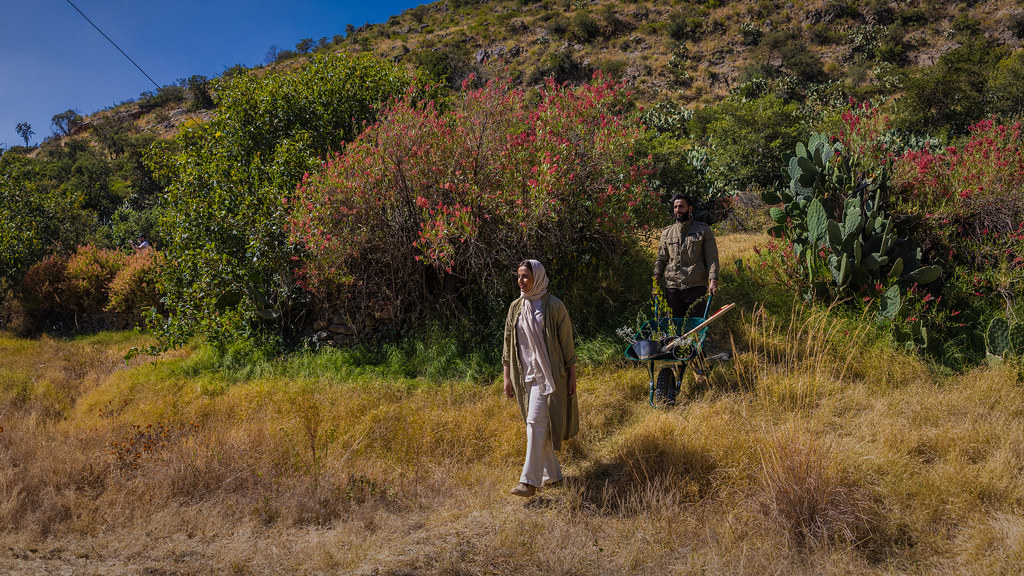
Photo credit: Saudi Green Initiative
Standing on a rocky stretch just outside Riyadh, the land opens out in every direction, sand, stone and dry air, with little to interrupt it. It is a landscape shaped by scarcity, where water is limited and vegetation survives under pressure. That strain is increasing as temperatures rise and rainfall becomes more unpredictable.
This pressure is not unique to Saudi Arabia.
Globally, land degradation is accelerating. It affects up to 40 per cent of the land globally and puts nearly half of humanity at risk, even as countries have committed to restoring one billion hectares by 2030.
In this context, Saudi Arabia, in just four years, has restored its first one million hectares of degraded land under the Saudi Green Initiative, its national programme launched as part of Vision 2030 to scale up land restoration, increase vegetation cover and strengthen ecosystem resilience.
What makes this milestone relevant beyond the country are its scale, and where and how it was delivered.
The challenges, where restoration is happening and how it is being done
The restored land is not located in a single area. It spans multiple regions and ecosystems, including the King Salman bin Abdulaziz Royal Reserve, the Imam Abdulaziz bin Mohammed Royal Reserve, Sharaan Nature Reserve in AlUla and Qassim National Park, among others.
These areas vary in their ecological conditions and land-use pressures. They include landscapes under stress and protected areas undergoing active rehabilitation.
Working across such varied conditions requires a structured approach.
In Saudi Arabia, restoration efforts are guided by ecological assessments that determine what each landscape can sustain. Native species are used to improve survival rates, while water use is carefully managed to reduce pressure on already limited resources.
Restoration is supported by complementary measures, including expanding protected areas, improving early warning systems for sand and dust storms, and strengthening climate adaptation tools.
Equally important is how results are verified.
Satellite monitoring, geographic information systems and field inspections are combined to assess changes in vegetation cover, soil stability and land productivity.
This makes it possible to track progress consistently and helps build confidence that restoration efforts are delivering tangible ecological outcomes.
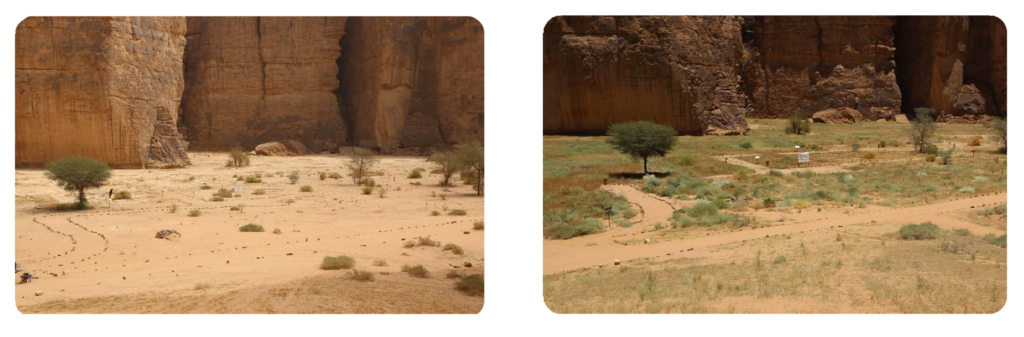
Photo credit: Saudi Green Initiative
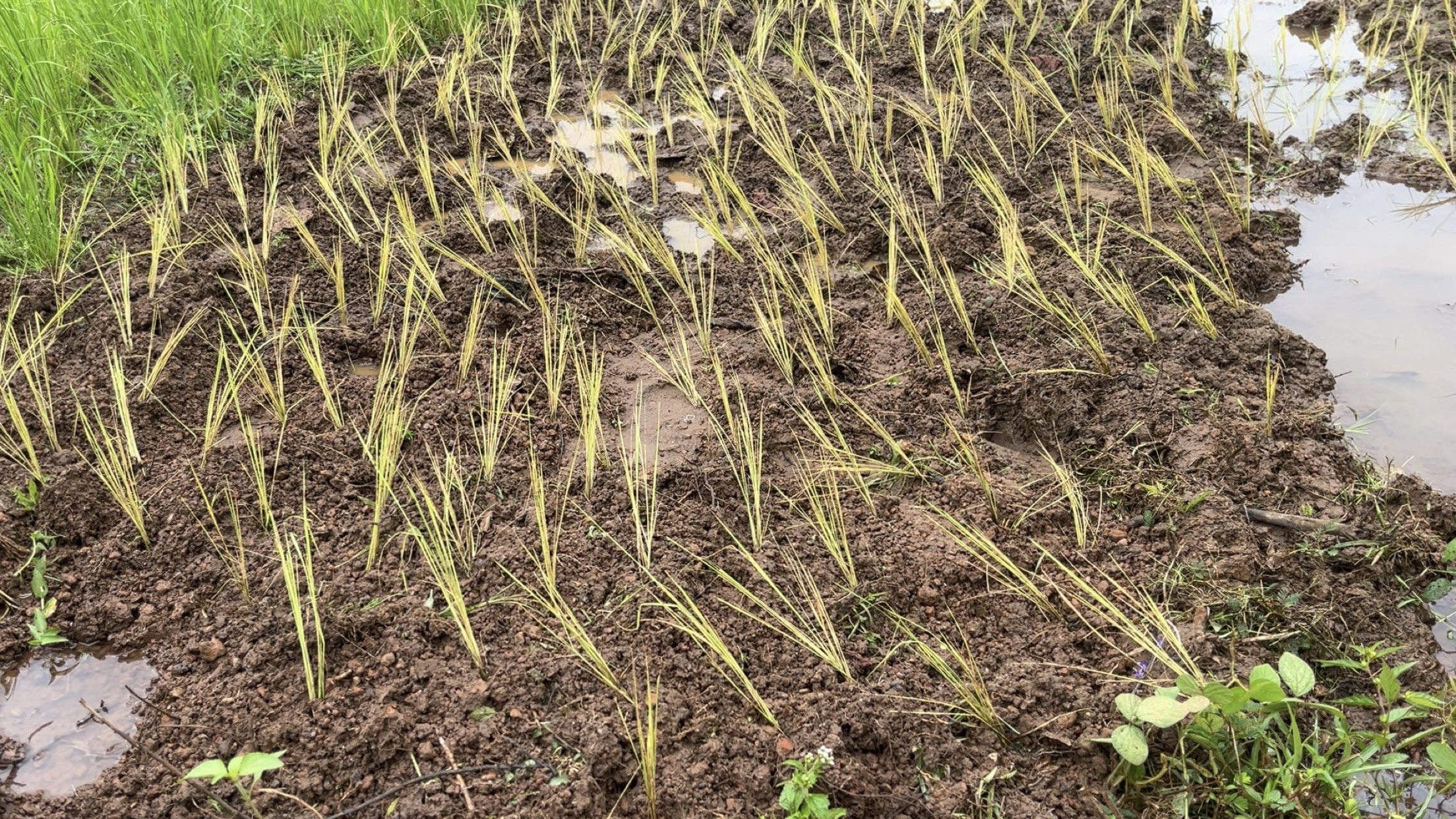
Before and after comparison of degraded and restored landscape in Saudi Arabia
Going to scale and linking national action to global targets
The scale of land degradation has led to global targets that are equally ambitious. Through the United Nations Convention to Combat Desertification (UNCCD), countries are committed to restoring one billion hectares of degraded land by 2030.
To advance these global commitments, the Group of 20 countries (G20) through the Global Land Initiative hosted by UNCCD, is committed to reducing degraded land by 50 per cent by 2040, underscoring the importance of scaling restoration across all ecosystems. Through this initiative, countries are promoting large-scale restoration, exchanging practical experiences across different contexts and engaging the private sector to mobilize the required investments.
Saudi Arabia’s progress provides one example of how to restore land at scale across different landscapes, including in environments where water scarcity and climate conditions make recovery more complex.
UNCCD Executive Secretary Dr Yasmine Fouad notes: “The priority now is scaling what works. What this experience shows is that restoration can be delivered across vastly different landscapes, including in water-scarce environments, when it is supported by the right policies, science and long-term commitment. This is essential if global targets are to be met.”
This work also draws on approaches supported by UNCCD, including monitoring frameworks, tracking land degradation in real time and knowledge-sharing across countries.
Restoring land brings a wide range of benefits. Improved land productivity, more stable soils and restored vegetation help communities withstand drought, protect livelihoods and reduce long-term risks linked to land degradation. In many of these areas, restoration is closely linked to livelihoods, particularly in rangelands where land conditions directly affect pastoral communities. By engaging the private sector, there is growing momentum to create new jobs built on a budding restoration industry.
Carrying momentum forward
Saudi Arabia hosted the sixteenth session of the Conference of the Parties (COP16) to the UNCCD in Riyadh in December 2024, where countries called for scaling up action on land restoration, strengthening drought resilience and increasing investment. Often, the vital role COP hosting plays in mobilizing political will to restore land at country level is often underestimated.
The COP16 shift and momentum from commitment to implementation is expected to continue at COP17, which will take place in Ulaanbaatar, Mongolia, from 17 to 28 August 2026.
The challenge now is less about identifying solutions and more about applying them at scale across different regions and ecosystems.
Restoring land in arid environments is complex. Limited water availability, long recovery periods and the need for sustained monitoring mean that results depend on long-term commitment.
What this experience makes clear is that restoration is already moving from commitment to implementation, including in the most constrained environments, and bringing with it multiple benefits – from jobs and livelihoods to resilience, long-term stability and security.
Latest News
- Young entrepreneurs from Argentina, Uganda win UN global pitch contest at ChangeNOW: Youth Ecopreneur Awards

- UNCCD Executive Secretary Dr. Fouad welcomes Saudi Arabia’s landmark achievement in land restoration
- Saudi Arabia marks restoration of one million hectares of land, advancing global momentum on land resilience
- UNCCD G20 Global Land Initiative publishes 2025 annual report

- Eight finalists named for Youth Ecopreneur Awards

Upcoming Events