Restoration of land leads global ecosystem restoration as a new United Nations assessment highlights significant progress in Asia and in job creation, and the challenges of meeting 2030 targets.
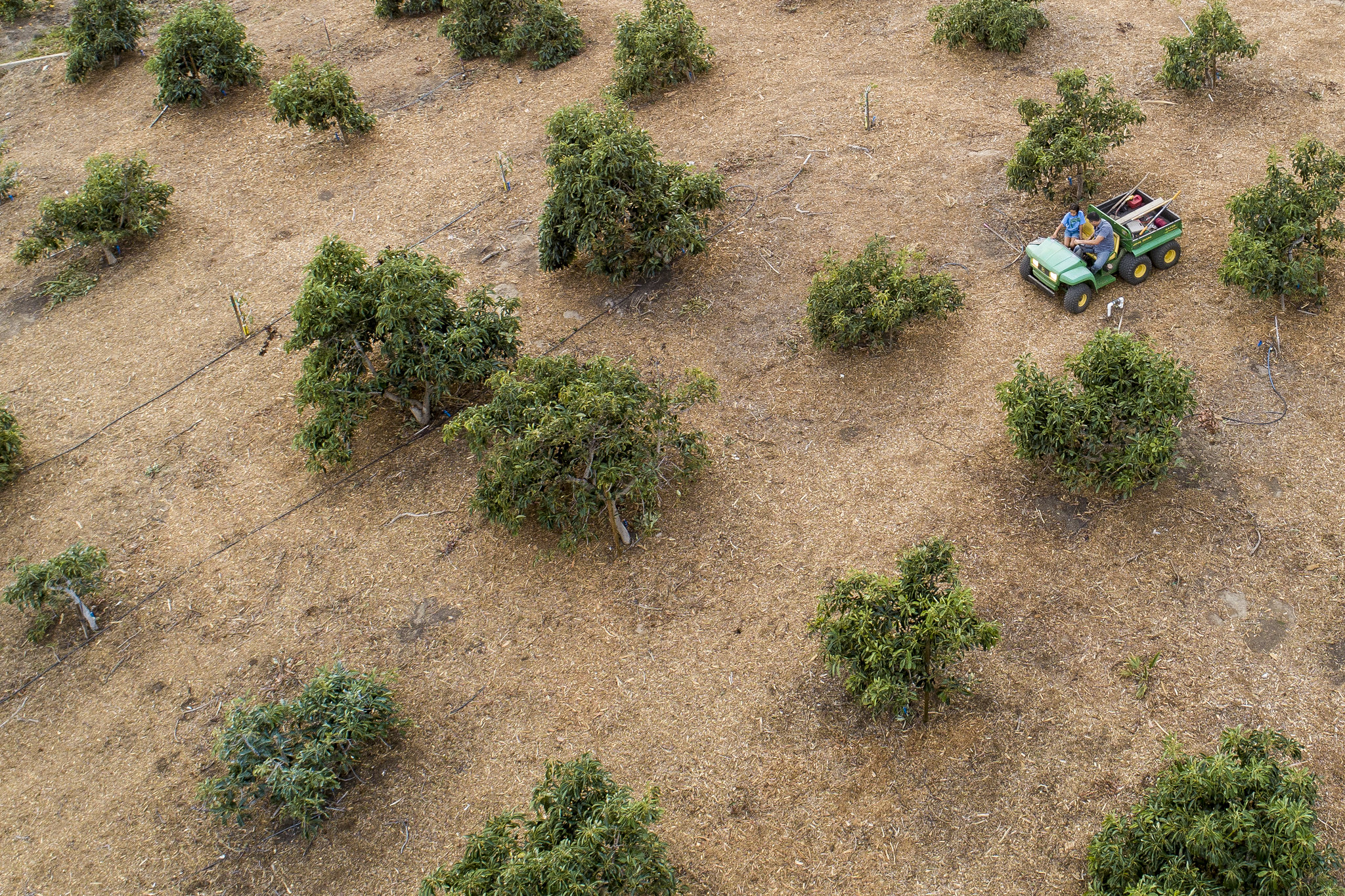
YEREVAN, Armenia — Some 252 million hectares of degraded ecosystems are under restoration worldwide, equivalent to a quarter of the one billion hectares countries have committed to restore by 2030, according to a new United Nations report.
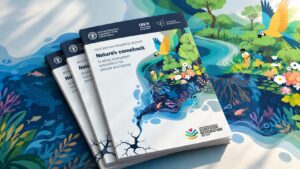
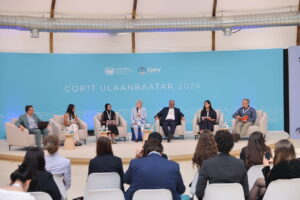
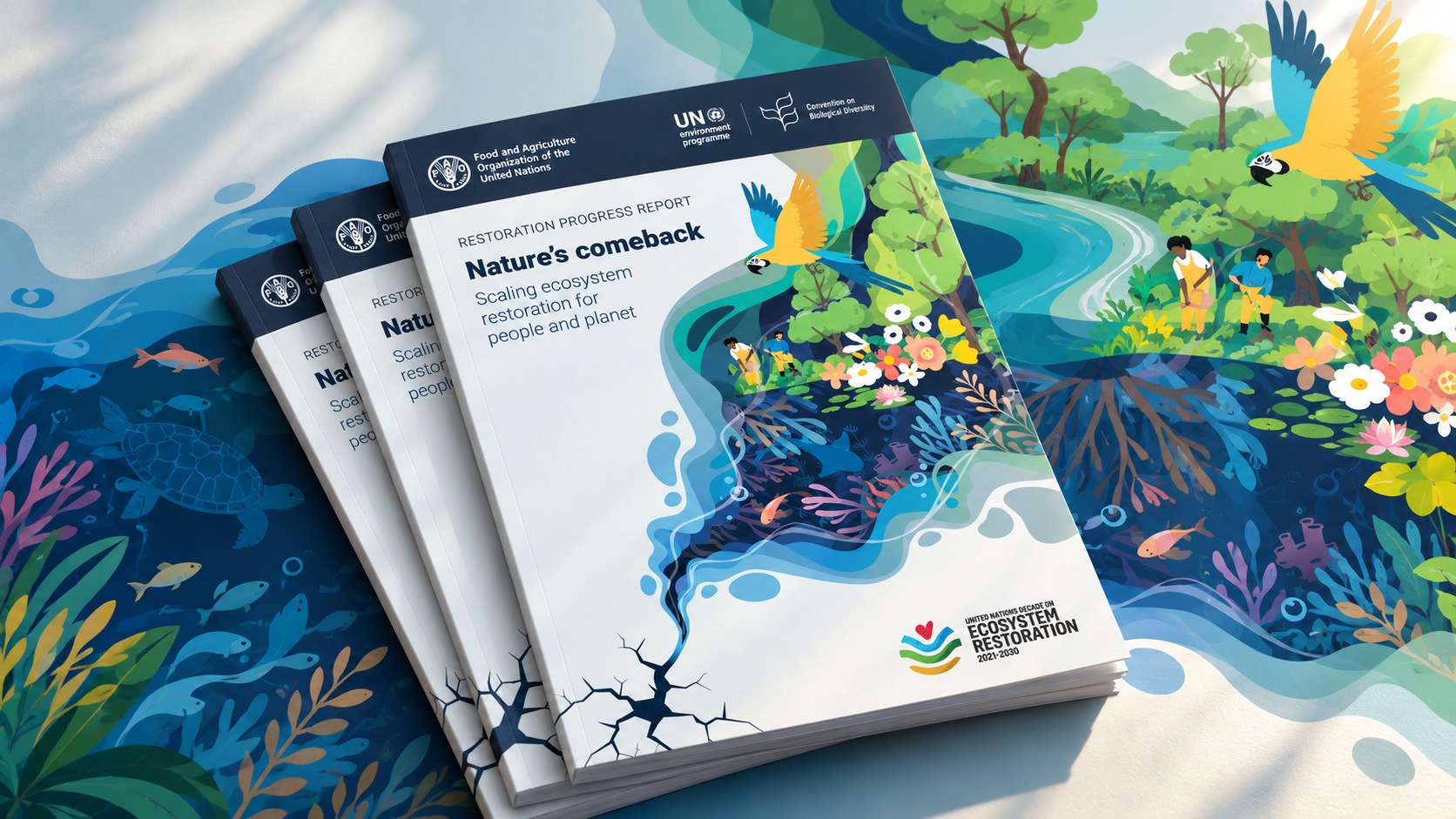
The report, Nature’s Comeback: Scaling Ecosystem Restoration for People and the Planet, released during the 17th Conference of the Parties to the Convention on Biological Diversity (CBD COP17) in Yerevan, Armenia, is the first comprehensive UN assessment of progress in restoring of all degraded ecosystems – both marine and terrestrial.
More than 90 percent of restoration efforts are taking place on land, while freshwater, marine, coastal and other ecosystems account for the remainder. Asia has the largest documented area under restoration, with 192.2 million hectares, or 76.3 percent of the global total, followed by Africa with 36.3 million hectares, or 14.4 percent.
Restoration is also generating employment. More than one million green jobs have been reported, with the potential to generate up to an estimated 32 million new jobs by 2030.
The assessment addresses two central questions: how much progress countries have made toward global restoration targets and national commitments, and what actions are needed to accelerate restoration.
Its findings draw on country submissions through four reporting frameworks: the CBD Seventh National Reports, the Food and Agriculture Organization’s Global Forest Resources Assessment, the Convention on Wetlands and the Framework for Ecosystem Restoration Monitoring (FERM), which also incorporates reporting from the Rio Conventions and the Bonn Challenge.
The report acknowledges gaps in data availability and monitoring across ecosystems, cautioning that the findings reflect where restoration is occurring and where monitoring and reporting efforts are concentrated.
The findings follow another assessment released in August by the International Union for Conservation of Nature, released at the recently concluded Conference of Parties to the United Nations Convention to Combat Desertification, which reported 124.3 million hectares under restoration, rehabilitation and improved management, restored against the 2030 restoration commitments made under the Rio Conventions and Bonn Challenge.
While the UN and IUCN assessments differ scope and methodologies, the offer important insights of progress, the challenges and actions needed to restore degraded lands at scale.