COP17 Mining Forum Calls for Global Standards to Raise the Bar on Responsible Mining
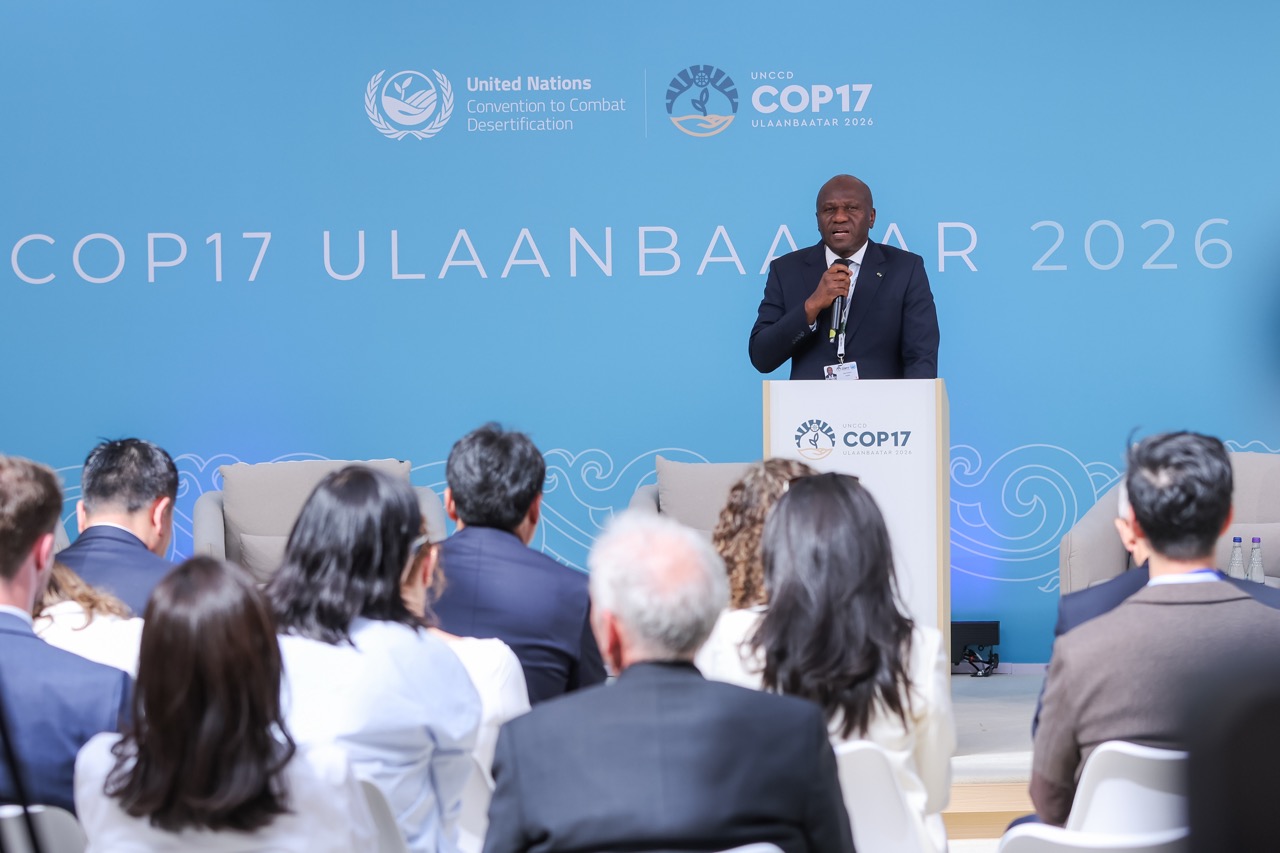
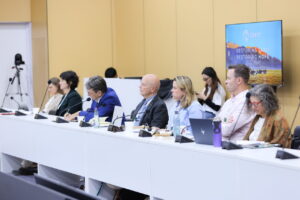
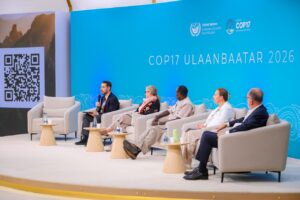
Ministers, mining industry leaders, international organizations, Indigenous Peoples’ representatives, and civil society organizations gathered at the first-ever mining forum held at a UNCCD Conference of the Parties (COP).
The Leadership for a Land-Positive Future: High-level Forum of Mining Industry Leaders, convened on 24 August 2026 during UNCCD COP17 in Ulaanbaatar, highlighted the mining sector’s growing commitment to responsible mining, land restoration and sustainable development.
Participants agreed on the need to strengthen collaboration across governments, industry, communities, and civil society to address increasing pressures on land, water and biodiversity, while meeting rising global demand for minerals essential for the energy transition and emerging technologies.
Participants also emphasized the importance of developing globally recognized voluntary standards for responsible mining, improving transparency and accountability, and ensuring post-mining restoration contributes to long-term social, economic and environmental benefits.
John Lindberg, Policy and Government Affairs Principal at the International Council on Mining and Metals (ICMM), noted that “most materials that are extracted today are not extracted responsibly. So if we want to talk about a just transition, if we want to talk about a digital revolution that is also respecting the rights of stakeholders, right holders, and the rights of Mother Nature, we need to start off by ensuring that responsible mining is the global norm.”
“I haven’t seen one country anywhere in the world who has gotten it right yet, and even where we do see strong laws on the books, implementation can be very challenging,” said Kristi Disney Bruckner, Law & Policy Director at the Initiative for Responsible Mining Assurance (IRMA). “It takes a collaborative approach. Collaboration means working across not only government ministries, but also from national to subnational governance structures. And we’ve seen a lot of collaboration emerging internationally as well. This forum is one example of that.”
Key recommendations emerging from the forum included:
- Integrating land restoration and closure planning from the earliest stages of project development;
- Strengthening collaboration with Indigenous Peoples, local communities, and other stakeholders;
- Applying science-based approaches to reduce land degradation, restore ecosystems, and improve biodiversity outcomes;
- Utilizing digital technologies and geographic information systems to monitor, verify, and scale restoration efforts;
- Addressing illegal mining and improving transparency across mining value chains.
Several speakers stressed that responsible mining must go beyond minimizing environmental impacts and actively contribute to restoring landscapes and creating lasting benefits for communities.
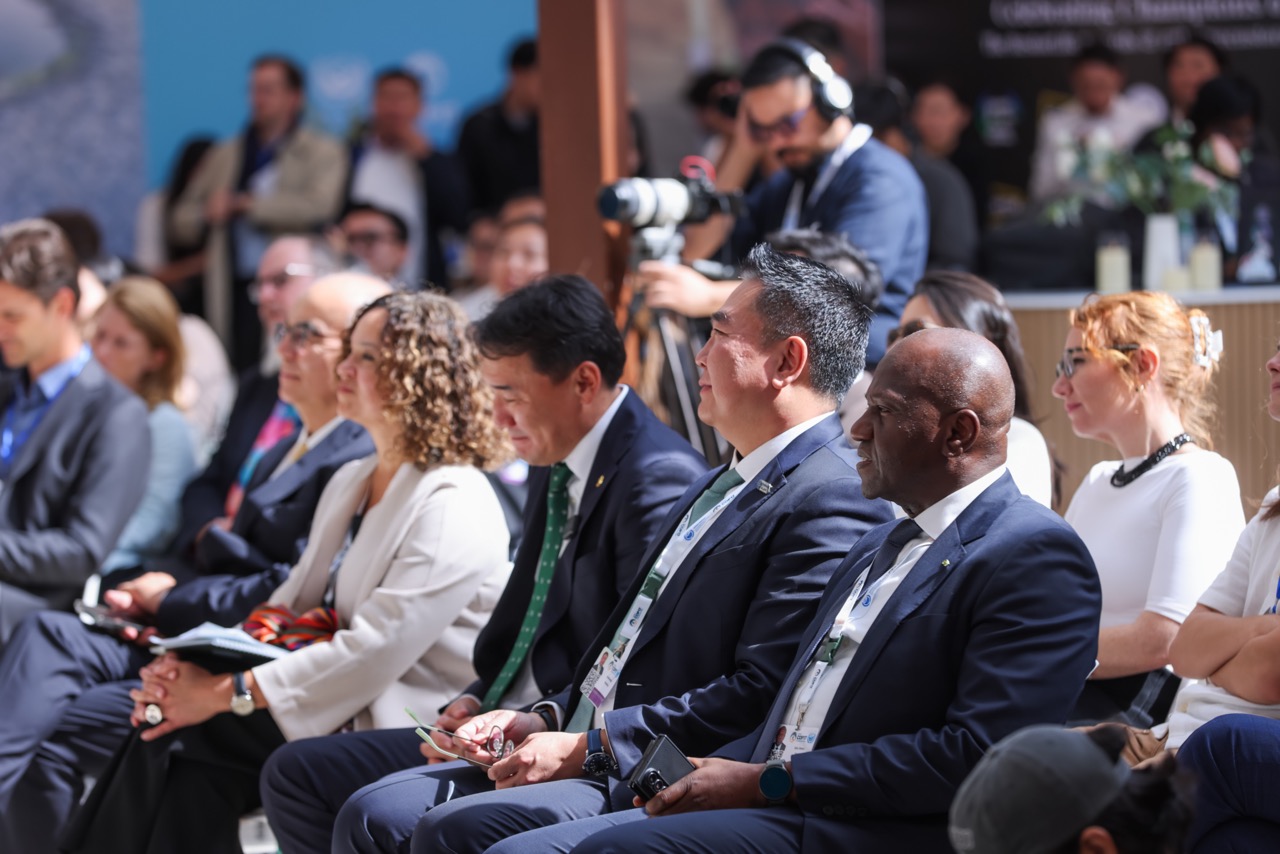
H.E. Abou Bamba, Minister of Environment and Ecological Transition of Côte d’Ivoire, called for collective action to address illegal mining and accelerate transformation across the sector. “The real choice is between mining that transfers hidden costs to future generations and mining that actually creates lasting value for people and nature,” he said. “Let us therefore make COP17 a turning point.”
Speakers also shared examples of successful restoration efforts. María Jesús Rodríguez Sancho, Director-General for Biodiversity, Forests and Desertification in Spain’s Ministry for the Ecological Transition and the Demographic Challenge, highlighted Spain’s experience in restoring former coal mining landscapes. “Ecological restoration is not only an environmental policy, it is an investment in people,” she said. “It creates skilled employment, strengthens rural communities, and reinforces social cohesion.”
The forum further featured the soft launch of the Accelerating Restoration through Innovative Investment and Development (ARIID) initiative by ICMM, which aims to mobilize partnerships, innovation, and investment to accelerate large-scale land restoration, including in mining landscapes.

The forum concluded with a shared recognition that the future of mining must be land-positive, combining responsible resource extraction with environmental stewardship, community engagement, and long-term sustainable development outcomes.
For more information contact: Joann Lee, jlee@unccd.int