Wetlands rising: a climate–land nexus webinar on indigenous stewardship and restoration

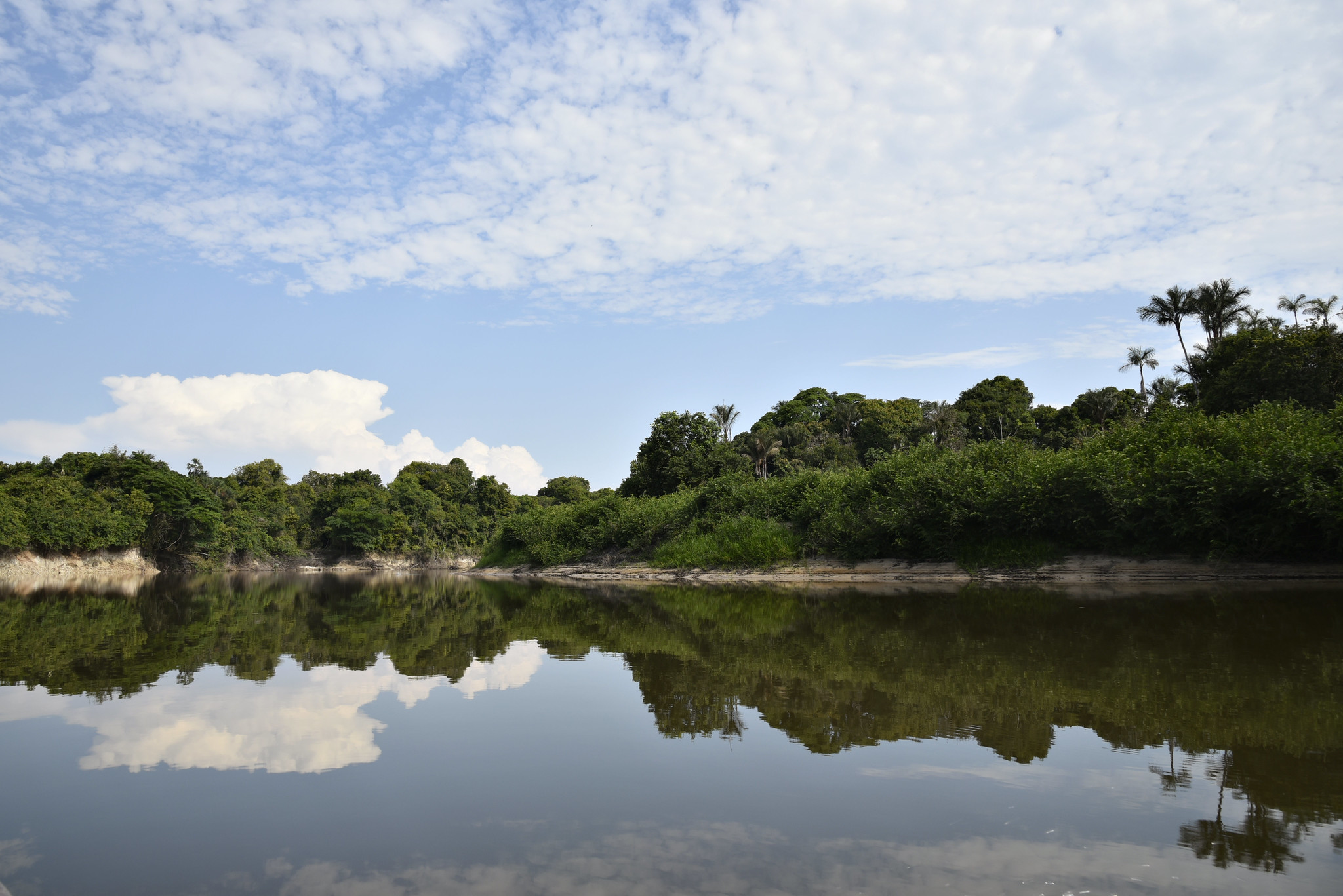
Photo credit: UNCCD/G20 Global Land Initiative
The world marked World Wetlands Day on 2 February as momentum builds around one of the planet’s most undervalued ecosystems. But according to the Convention Wetlands, they are among the fastest-disappearing ecosystems on Earth, estimated at a rate of 0.52 per cent per year since 1970, driven by pollution, urban expansion, industrial development, agricultural intensification, drainage and invasive species.
The Global Wetland Outlook 2025 paints a stark picture: wetlands are declining rapidly worldwide. Their degradation is accelerating due to land-use change, erosion of customary governance systems, insufficient technical capacity and persistent undervaluing of community-led stewardship.
“Working together with the local communities to use indigenous knowledge systems, what they knew from their ancestry, what they have known innately, from their ancestry [they] use mechanisms and traditional methods that do not over extract the water, do not over deviate the water,” said Dr. Musonda Mumba, Secretary General of the Ramsar Convention on Wetlands.
Traditional knowledge, safeguarded by Indigenous people, is practical, context-specific and transmitted across generations via songs, stories and rituals. However, inequities persist. While Indigenous people account for 6% of the populations, 25% of land is owned, managed, used and occupied by this group. Yet, their say in governance of wetlands is limited*.
How can we promote integration of traditional knowledge into policies and conservation strategies? How can we encourage community involvement and co-management of wetlands?
This month’s Generation Restoration Dialogue places indigenous wisdom at the centre of worldwide wetlands restoration efforts. Participants will explore how indigenous stewardship, traditional governance and community knowledge can anchor climate resilience and land restoration at scale.
Join us on 17 February 2026 to find out why this dialogue matters – now more than ever
The Outlook 2025 underscores three critical insights that inform this dialogue:
- Wetland ecosystems are disappearing three times faster than forests.
- Solutions led by Indigenous Peoples and local communities consistently outperform top-down approaches in ecological impact and long-term sustainability.
- Strengthening wetland governance requires integrating traditional ecological knowledge, community land rights and culturally grounded stewardship models.
The February 2026 session of the Generation Restoration Dialogues channels this opportunity into an engaging, action-oriented conversation.
Session overview
This 60‑minute dialogue spotlights wetlands as a keystone of the land–climate nexus. The session will:
- Explore the critical role of wetlands in biodiversity conservation, climate mitigation and adaptation and sustainable livelihoods,
- Draw on key insights and decisions from Ramsar COP15, emphasizing the need to elevate Indigenous and local community leadership,
- Showcase examples of community-based restoration, practical frameworks, and knowledge resources that make wetland stewardship scalable and actionable across contexts and
- Highlight how indigenous and traditional knowledge systems strengthen cultural heritage, intergenerational learning and long-term climate resilience.
Bonus: dive deeper with our featured podcast
As a companion to this dialogue, explore the podcast episode: Why the wetlands ecosystem is disappearing — and how most people don’t even notice
This engaging episode introduces listeners to global wetland loss, hidden drivers of ecosystem decline and the role of community action, perfect pre‑listening for the February session.
Whether you are a youth leader, community organizer, educator, policymaker or restoration practitioner, this dialogue offers rich insights and practical pathways to scale action.
*See the PowerPoint Presentation on the World Wetlands Day 2026 Materials webpage.