Parliamentarians gather in Mongolia to help turn land restoration pledges into action
Parliamentarians gather in Mongolia to help turn land restoration pledges into action
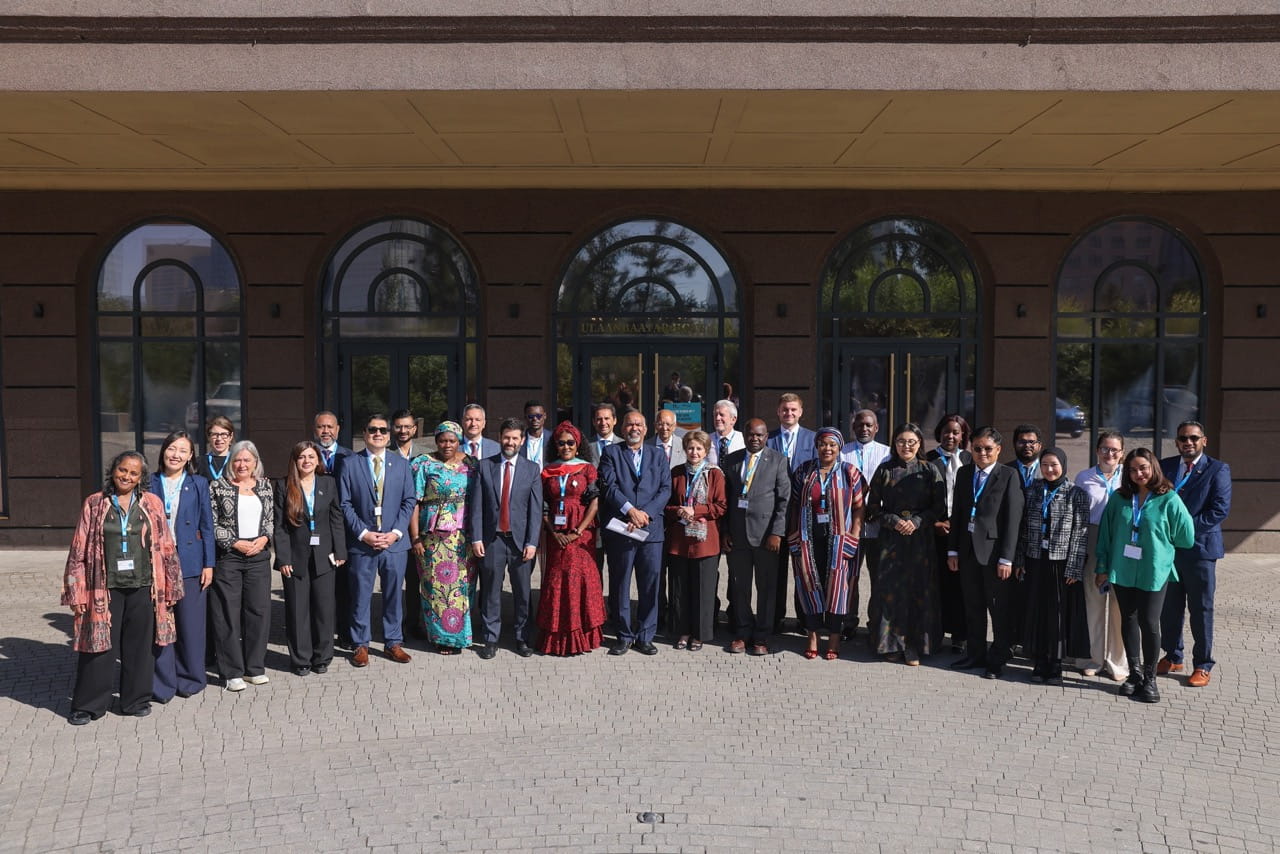
Fifty lawmakers from Mongolia and around the world are holding a five-day High-level Forum in the margins of UNCCD COP17 in Mongolia in a bid to turn global commitments into national action.
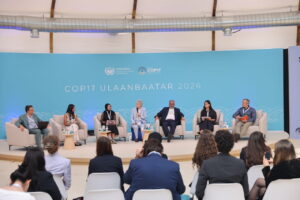
ULAANBAATAR, 24 August 2026 – Parliamentarians from around the world are at the UN Convention to Combat Desertification (UNCCD) global conference in Mongolia for a High-Level Parliamentary Forum focused on translating global commitments on desertification, land degradation and drought into concrete national action.
The High – Level Parliamentary Forum, titled “From Commitment to Action: Parliamentary Leadership to Address Desertification, Land Degradation and Drought,” is bringing together senior political and UN leaders to examine how parliaments can use legislation, public budgets, government oversight and representation to accelerate implementation of the UN Convention to Combat Desertification.
The Forum, taking place during the Convention’s 17th session of the Conference of the Parties (UNCCD-COP17) is co-organised by the G20 Global Land Initiative of the UNCCD, United Nations Staff Systems College (UNSSC) and the State Great Hural (Parliament) of Mongolia.
“Parliaments have the power to turn ambition into action. As we welcome parliamentarians from around the world to Mongolia, this Forum is an opportunity to strengthen the political leadership, legislation and investment needed to protect our lands and the communities that depend on them,” said S. Byambatsogt, Chairman of the State Great Hural of Mongolia.
The Forum is part of the Global Changemaker Academy for Parliamentarians (G-CAP), an annual five-day leadership programme organised since 2023 by UNCCD-G20 GLI, in collaboration with UNSSC.
This year’s G-CAP brings together 26 parliamentarians from 25 countries for dialogue and learning on land conservation, sustainable land management and restoration.
“Global commitments only become real when they are translated into national laws, budgets and accountability,” said Yasmine Fouad, UN Under-Secretary-General and Executive Secretary of UNCCD. “Parliamentarians are therefore essential to the architecture of implementation, shaping the enabling policies, allocating resources, overseeing delivery and ensuring that the voices of affected communities are reflected in national action.”
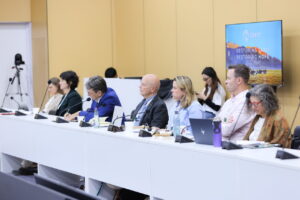
The high-level discussion will also feature: Carlos Alvarado Quesada, 48th President of Costa Rica; Prof. Hani Sewilam, Minister of Water Resources and Irrigation of Egypt; and parliamentarians from Mongolia and Türkiye. Representatives from the State Great Hural of Mongolia include Ms. Mandkhai Mendbayar, Chair of the Standing Committee on Environment, Food and Agriculture, and Ms. Bolormaa Enkhbat, a G-CAP 2025 alumnus. Ms. Nilhan Ayan, the COP31 Presidency’s Environment and Climate Envoy, will represent Türkiye’s Parliament.
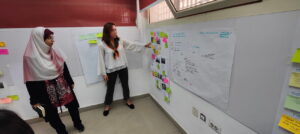
Following the high-level conversation, parliamentarians will move into facilitated discussions to identify practical actions they can take within their national mandates, with a focus on legislation, budgeting, oversight and representation.
The recommendations will be consolidated into the Key Messages and Parliamentary Priorities for Action from the COP17 High-Level Parliamentary Forum and will inform the development of a Parliamentarians’ Action Toolkit on Desertification, Land Degradation and Drought, providing practical guidance for lawmakers beyond COP17.
The aim is to help turn political commitments into the national policies, budgets and oversight mechanisms needed for implementation at scale.
With land degradation increasingly affecting food and water security, biodiversity, climate resilience, livelihoods and economic development, the Forum will highlight the critical role of parliamentarians in ensuring that commitments made at international negotiations result in action on the ground.
As countries move from ambition to implementation, parliaments will be central to creating the enabling environment that allows finance, policy and partnerships to deliver measurable results.
NOTES TO EDITORS
- For more information, please contact Sandhya Balasubrahmanyam, Learning Portfolio Manager, UNSSC (s.bala@unssc.org)
About G-CAP
The Global Changemaker Academy for Parliamentarians (G-CAP) is an annual five-day leadership academy for selected parliamentarians from around the world, organised by the G20 Global Land Initiative, hosted at the United Nations Convention to Combat Desertification (UNCCD), in collaboration with the United Nations System Staff College (UNSSC). G-CAP equips parliamentarians with the knowledge, networks and practical tools to advance land restoration and sustainable land management through legislation, policy, budgeting and oversight, while fostering dialogue and peer learning among lawmakers across regions. Since its inception in 2023, G-CAP has grown into a global network of 100 parliamentarians from 55 countries.
About G20 Global Land Initiative
Established by G20 leaders in 2020 and hosted by the UNCCD, the G20 Global Land Initiative was launched with the ambition of achieving a 50% reduction in degraded land across the planet by 2040. The initiative works globally to foster collaboration, strengthen policy coordination, advance the restoration economy, empower grassroots innovators, and secure a sustainable, climate-resilient future for global soil and ecosystems.
About UNCCD
The United Nations Convention to Combat Desertification (UNCCD) is the global vision and voice for land. We unite governments, scientists, policymakers, private sector and communities around a shared vision and global action to restore and manage the world’s land for the sustainability of humanity and the planet. Much more than an international treaty signed by 197 Parties, UNCCD is a multilateral commitment to mitigating today’s impacts of land degradation and advancing tomorrow’s land stewardship to provide food, water, shelter and economic opportunity to all people in an equitable and inclusive manner.
About UNSSC
The United Nations System Staff College (UNSSC) is a trusted interagency learning partner of the UN system. Drawing on our established relationships and credibility across various UN mandates and contexts, we collaborate with UN entities to design and deliver learning solutions that address specific needs and support shared objectives. In 2016 the UNSSC opened its “Knowledge Centre for Sustainable Development” in Bonn. The Centre was created to equip the UN and its partners with the knowledge, skills, and behaviours to implement the 2030 Agenda for Sustainable Development. The UNSSC Bonn Office delivers not only sustainable development learning but also change management and organizational development, as well as academic partnerships.