What happens when wetlands disappear? The climate consequences no one talks about

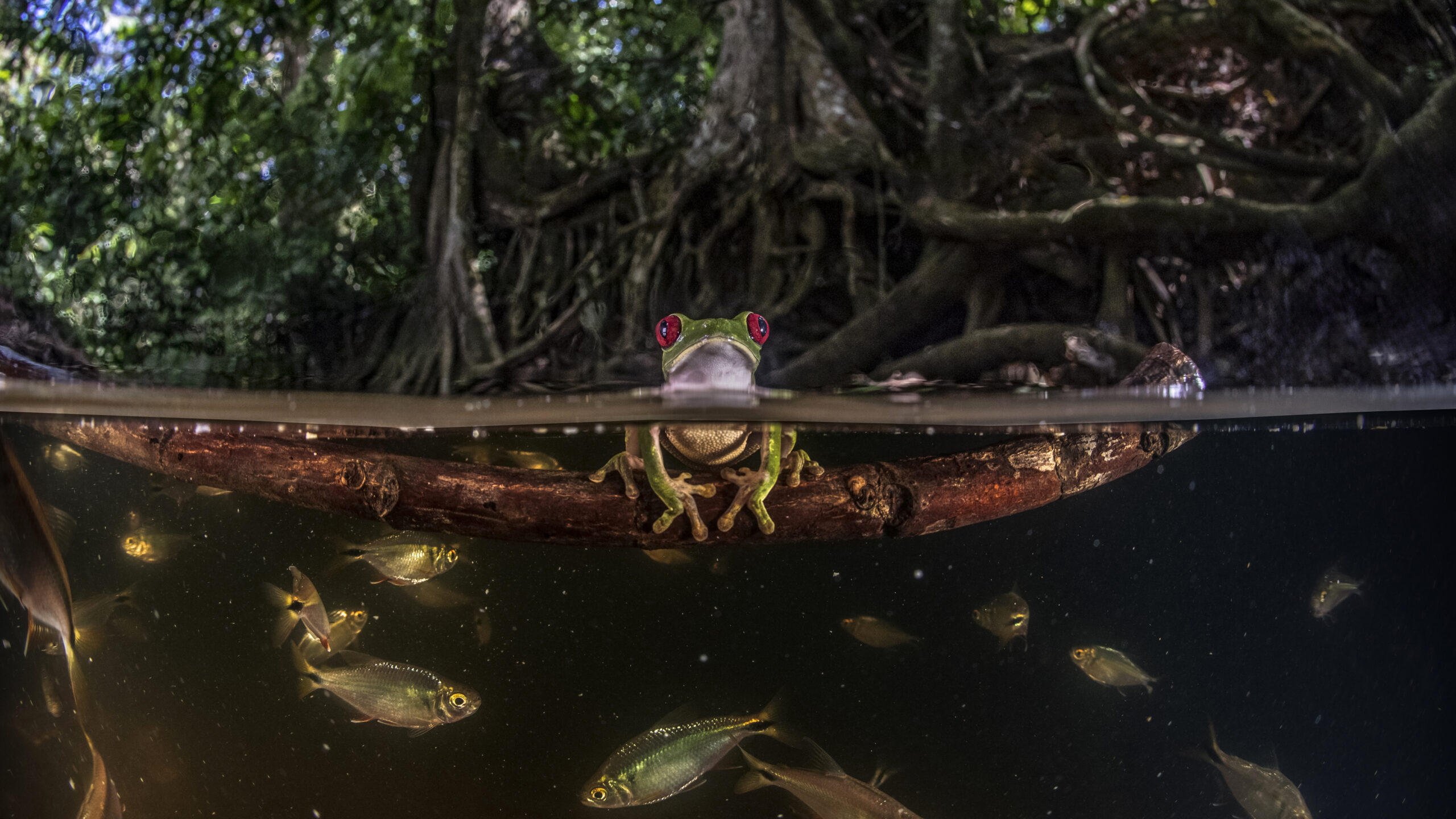
Photo credit: Hanifi Koç
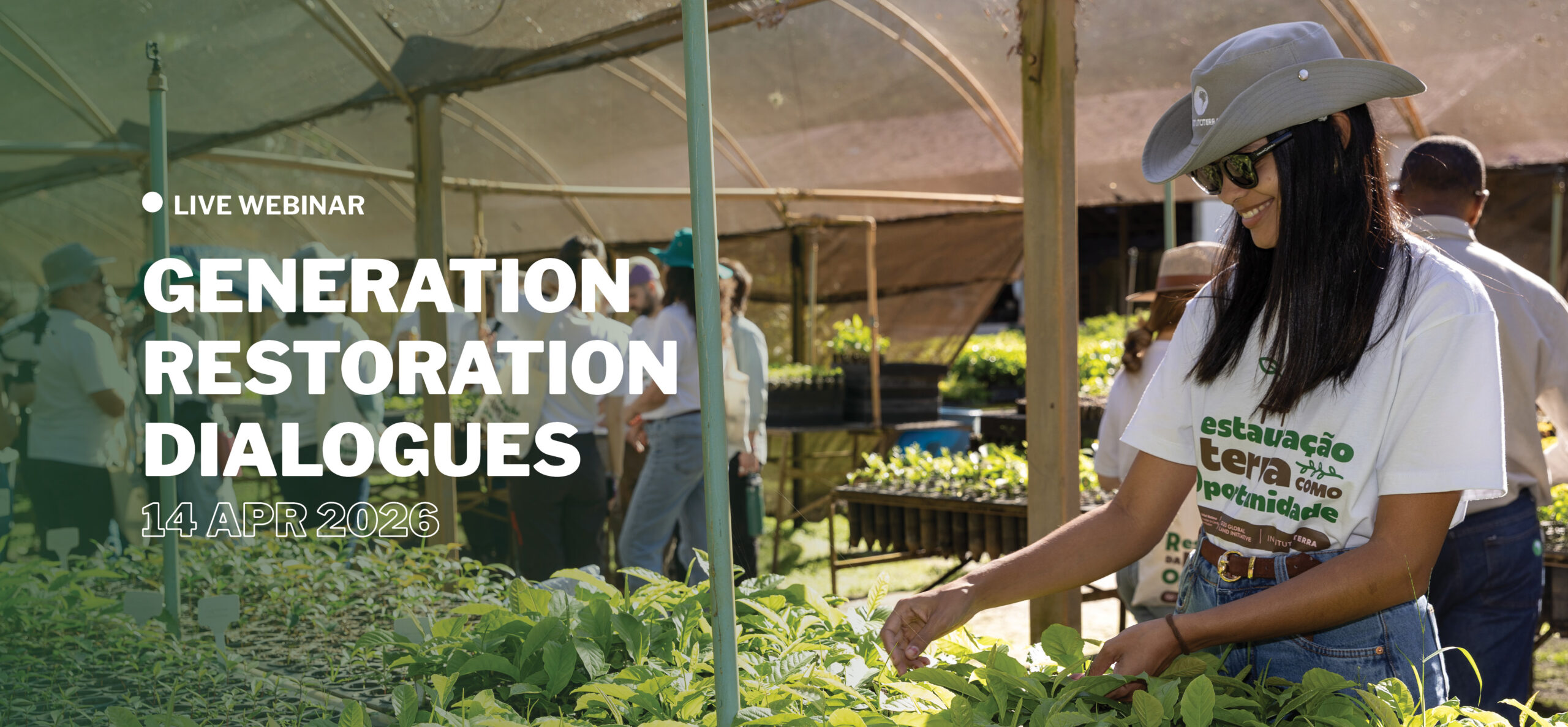
A powerful mix of youth leaders, scientists, Indigenous knowledge-holders and global policy voices explored how wetlands form the beating heart of our planet’s climate resilience during the February 2026 Generation Restoration Dialogue, hosted by the UNCCD G20 Global Land Initiative (G20 GLI).
The session emphasized not only the ecological importance of wetlands, but the social, cultural and intergenerational dimensions required to safeguard them.
The host, Zaya Jargalsaikhan, G20 GLI, introduced the theme of “exploring Earth’s wetlands and how they save our climate,” and the conversation quickly unfolded into a vivid illustration of how wetlands—especially peatlands—anchor climate mitigation, biodiversity and community well‑being.
What emerged throughout the dialogue was a consistent message: protection must come before restoration, and restoration must center the people who know their landscapes best.
Engineer Cisca Devereux, representing Youth Engage in Wetlands and speaking from the UNEP Global Peatlands Initiative in Nairobi, echoed this theme from the start.
Emphasizing the urgent need to bridge generations, she noted that “decisions that are being taken today, in boardrooms, in high-level discussions in global policy are affecting youth disproportionately.” She highlighted how youth must be meaningfully integrated into any policy discussions.
Devereux warned against “youth-washing,” the superficial inclusion of young people without real influence, resources or longevity. Effective wetland governance, she argued, requires durable structures, digital access and meaningful youth roles in national strategies, not just symbolic participation.
The call for meaningful inclusion resonated strongly with the technical and scientific perspectives brought by Eva Hernandez, who leads peatland work at Wetlands International.
Hernandez painted a dramatic picture of peatlands: tiny in global area yet “a magical carbon storage space” that holds vast amounts of carbon when healthy and emits enormous quantities when degraded. The challenge, she emphasized, goes far beyond technical interventions.
She said wetland restoration depends on co‑creation; a process she described as an evolution beyond the old notions of public consultation. Co‑creation requires working directly with Indigenous peoples, local communities, youth, elders, artists and scientists to shape solutions that fit the cultural and ecological realities of each landscape. Through ongoing projects in Mongolia and Peru, she showed how shifts in the way communities use land can have profound effects.
Filip Aggestam, Senior Scientific and Technical Officer at the Ramsar Convention on Wetlands brought attention to the financial and ecological urgency behind these efforts.
Presenting findings from the Global Wetland Outlook, Aggestam said, since 1970, the world has lost 22 per cent of the 11 out of 42 wetlands that were assessed in the study. Moreover, fewer than 10 per cent of countries have restored any wetlands since 2018.
Despite ambitious global commitments, only a fraction of pledged restoration areas are actively being restored. He stressed that “it is substantially cheaper to protect what we have,” since restoration is expensive, slow and sometimes unable to fully recover the functions of ecosystems that took a very long time to develop.
Yet the gap between global ambition and real‑world funding remains vast: restoration needs across the wetland types assessed amount to roughly 1.2% of global Gross Domestic Product, far exceeding current spending on biodiversity and climate resilience.
The dialogue’s grounding in lived experience came through powerfully in the reflections of Minnie Degawan, Managing Director of the Forest Stewardship Council Indigenous Foundation and an Indigenous Kankanaey-Igorot leader from the Cordillera region of the Philippines.
Degawan explained how her community’s ancestral knowledge rests on three fundamental teachings: “Never take more than what you need… whatever you do to the earth, you do to yourself… everything comes from the land, and we return to the land.”
She described how Indigenous Peoples have long restored their landscapes after typhoons, earthquakes, or erosion. Yet modern restoration projects often fail because they are designed far from the land itself.
Top‑down planning ignores the people who understand water flows, soils, plants and cultural traditions intimately. She challenged the global community to stop treating climate change, biodiversity loss and land degradation as separate problems, emphasizing that fragmented frameworks lead to fragmented financing and fragmented solutions.
A shared vision crystallized by the end of the session: wetlands are not just ecosystems but essential climate allies, cultural touchstones and sources of livelihood and identity. Their protection and restoration require intergenerational leadership, Indigenous knowledge, scientific innovation, adequate financing and collaboration across all levels of society.
Perhaps the most unifying sentiment came from Eva Hernandez’s call to persistence: “Never lose hope… you are not alone.” In a world where wetlands continue to disappear at alarming rates, this issue of the Generation Restoration Dialogue offered both a sobering assessment and an inspiring map forward, one rooted in respect, shared responsibility and collective action.
Watch the webinar
Latest News
- Young entrepreneurs from Argentina, Uganda win UN global pitch contest at ChangeNOW: Youth Ecopreneur Awards
- UNCCD Executive Secretary Dr. Fouad welcomes Saudi Arabia’s landmark achievement in land restoration
- Saudi Arabia marks restoration of one million hectares of land, advancing global momentum on land resilience

- UNCCD G20 Global Land Initiative publishes 2025 annual report
- Eight finalists named for Youth Ecopreneur Awards

Upcoming Events