A record turn up to learn about “Forest Futures”

Close to 1350 of the 1500 registered participants turned up at the latest session of the monthly Generation Restoration Dialogues, and close to half stayed through the discussion. The speakers received more than 41 questions about forest futures.
This surge of record-breaking energy was palpable from concerned citizens across the world who tuned in for the “Forest Futures: Guardians of Our Green Planet” conversation hosted by UNCCD G20 Global Land Initiative (G20 GLI).
A sharp message came through: forests are at the heart of our climate and biodiversity future and the next generation has a crucial part to play.
Watch Now
Co‑hosted by Jiamian Wang of UNCCD G20 GLI and Jennifer Hong, a youth leader in biodiversity conservation, the event mixed expert insight with practical guidance, giving students, early‑career professionals, activists and the professionals in attendance a clear look at how land restoration is unfolding on the ground and where they can plug in.
A global story, told through local action
Professor Dr Tony Simons, a Senior Fellow at the G20 GLI, offered a sweeping tour through the history of forests, from the ancient evolution of trees to today’s urgent need to restore damaged ecosystems. His talk landed particularly well with youth participants, connecting science with the choices people are making right now. Simons emphasized that forests have sustained life on Earth for millions of years and that protecting them is central to any livable future.
Christophe Besacier from the Food and Agriculture Organization of the United Nations (FAO) shifted the spotlight to real-world restoration. Through examples from Ethiopia to Latin America, he showed that degraded land can – and is – being revived through community leadership and smart planning. He also introduced FAO’s growing set of tools, including restoration registries and monitoring platforms, which anyone can explore to understand where restoration is happening and how to get involved.
Clear takeaway: restoration is working and youth are needed
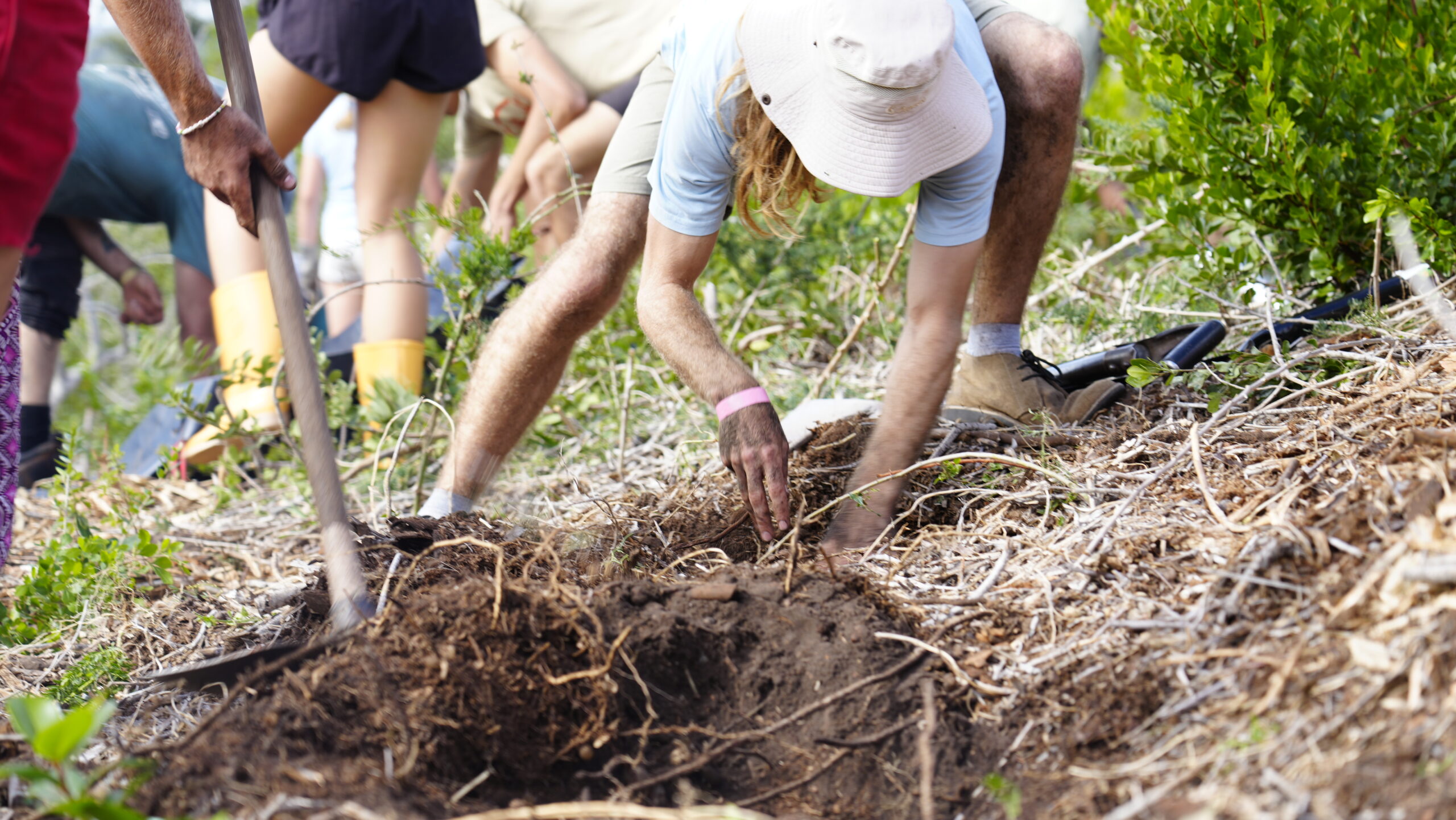
What made this session stand out was its sense of possibility. Instead of focusing on challenges only, both speakers emphasized the progress that is already underway. Communities are returning vegetation to eroded hillsides. Countries are committing millions of hectares to restoration. Local knowledge, Indigenous leadership and scientific monitoring are converging in new ways.
For younger viewers, the message was encouraging: you don’t have to wait to be part of environmental change, restoration is happening now and there is room for new hands, new ideas and new leadership.
A growing hub for young environmentalists
With its goal of reducing degraded land by 50 per cent by 2040, the G20 GLI is a meeting point for anyone exploring a future in food and water security, climate and biodiversity, and various forms of restoration and conservation that are taking restoration to scale and nurturing new economic opportunities.
The monthly Dialogues offer something rare: honest conversations that link global policies to on‑the‑ground efforts, plus practical tools and stories that help turn inspiration into action.
Participants gain exposure to:
- techniques like assisted natural regeneration
- examples and lessons in land restoration from around the world
- emerging data and monitoring tools and
- policy frameworks that are shaping restoration efforts today.
For youth trying to find their footing in a fast‑moving environmental landscape, the series acts as both a learning platform and a source of motivation.
Next up: young entrepreneurs restoring the planet
The next webinar in the series will spotlight “Earthprenuership”—young entrepreneurs building businesses that regenerate, rather than deplete, natural systems. From climate‑smart agriculture to forest-based value chains, this session will showcase how innovation and restoration increasingly go hand in hand, and what investors are looking for.
Latest News
- UNCCD G20 Global Land Initiative publishes 2025 annual report

- Eight finalists named for Youth Ecopreneur Awards

- From degradation to opportunity: advancing the global restoration economy at CRIC23

- COP30: Ten countries back Brazil-led finance accelerator to scale farmland restoration worldwide
- Greenstorm Unveils Winning Images Celebrating the World’s Most Beautiful Wetlands

Upcoming Events