Faith partnerships for land restoration
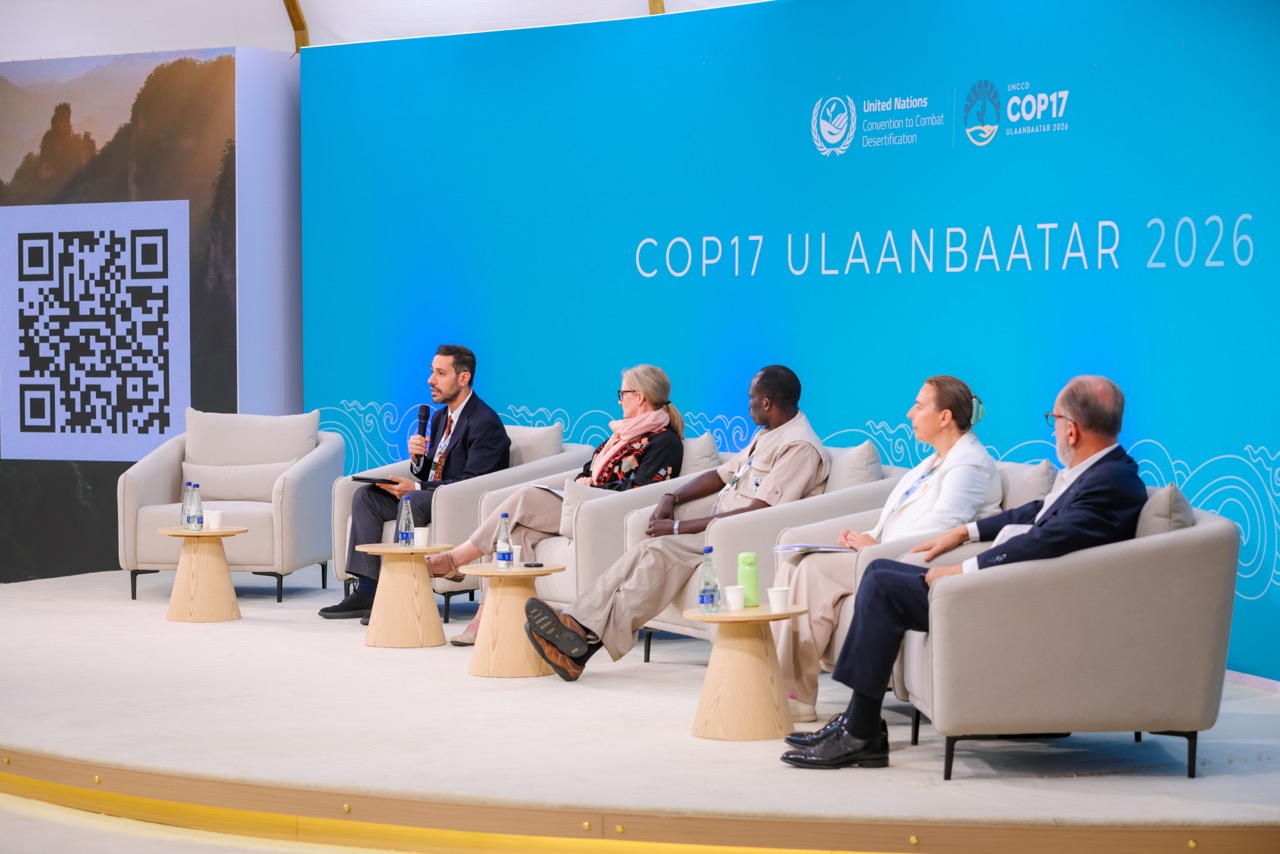
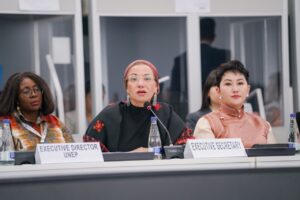
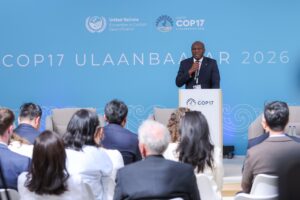
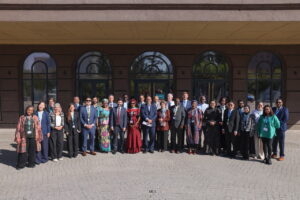
At UNCCD COP17 in Ulaanbaatar, Mongolia, the G20 Global Land Initiative convened two special sessions on faith partnerships for land restoration, bringing together religious leaders, conservation specialists and practitioners. Held on 21 and 25 August 2026, the sessions examined how faith communities can work with Indigenous peoples, farmers, governments and businesses to restore degraded land and support local livelihoods.
The discussions considered the relationships, technical support and funding needed to sustain restoration, drawing on projects in the Philippines, Kenya, Haiti and India. The Faiths for Land Masterclass, was also launched during the week, offering practical training for faith organisations seeking to develop their own restoration plans.
Faith and community partnerships
The Restoring Land, Restoring Hope: Faith Voices on Regeneration session took place at the Action Dome on 21 August, during the conference. Speakers described how cooperation with local communities had shaped their restoration work, including decisions about the land, the activities undertaken and the partnerships needed to support them.
Amy Woolam Echeverria, International Director for Justice, Peace and Integrity of Creation for the Missionary Society of St Columban, described a partnership between the Catholic missionary society and the Higaonon Indigenous community in the Philippines. Community leaders and the Columban Missionaries had agreed to plant trees on Higaonon land and continued meeting to discuss further projects. Echeverria reported that the initiative had grown from 100 trees to around 1,000 across two sites, where community members were observing the return of animals and insects. Fruits and herbs used for food, medicine and spiritual practices were also returning to the area.
Echeverria emphasised that faith organisations need to recognise the limits of their own expertise and work with scientists, technical specialists and people from other traditions. She described an ongoing relationship with the Indigenous community, whose land, knowledge and spiritual practices were integral to the project.
Tom Barasa Wafula, a consultant with WWF’s Beliefs and Values Programme, described restoration at Maragoli Hills in western Kenya, where forest loss and erosion had affected water sources on which local people depended. The Catholic Diocese of Kakamega worked with Vihiga County government to bring Muslim and Christian groups into the restoration effort, with WWF helping to connect them with government agencies, other organisations and businesses. Wafula reported that two banks had joined the work and explained that faith groups had brought trust and relationships that earlier restoration attempts lacked.
Farmer participation and wellbeing
Hugh Locke, author of Whole Earth Farming, described how consultation with farmers had shaped the work of the Smallholder Farmers Alliance in Haiti. Locke co-founded the alliance and is President of the Impact Farming Foundation. He explained that kombit, a tradition in which farming families help one another at planting and harvest time, had become difficult to maintain because poverty prevented families from providing the customary shared meal. The alliance helped farmers revive the tradition by providing food, enabling them to resume a form of cooperation that was already familiar to their communities.
Locke and his Haitian colleague had begun by asking farmers what they needed and used those responses to establish the organisation. Drawing on his Bahá’í faith, he emphasised that farmers should participate in agricultural programmes from the outset, with women having equal access to finance, practical support and leadership roles.
Aneta Loj, the Brahma Kumaris focal point to UNCCD and Director of the Brahma Kumaris in Poland, described the Sustainable Yogic Agriculture programme in India and its focus on farmers’ wellbeing. The programme combines natural farming with meditation, which Loj described as a means of helping farmers become calmer, more attentive to their land and better able to sustain changes in their farming practices. She presented spiritual practice as an addition to practical farming methods.
Partnerships with business
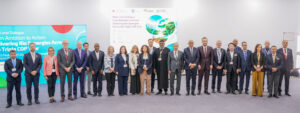
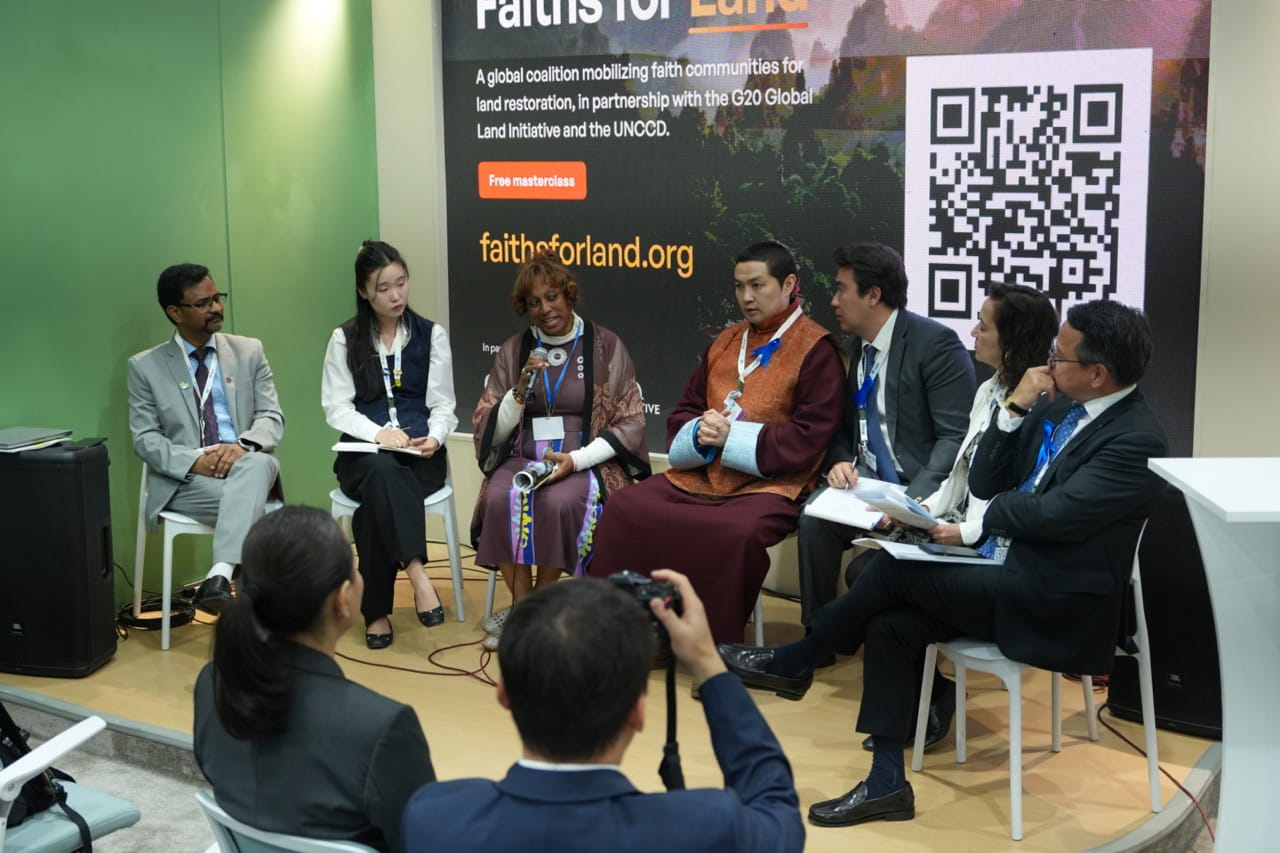
On 25 August, the Faith and Business Land Partnerships session at the Business4Land Pavilion examined how faith institutions and companies could work together to support restoration. G20 GLI co-convened the session with Business4Land, the Business Council of Mongolia and the World Economic Forum’s Global Future Council on Faith in Action.
The programme explored how faith institutions’ land and community relationships could support restoration projects, with businesses contributing funding and technical skills, including through partnerships in Mongolia. Business4Land, UNCCD’s platform for engaging companies and financial institutions in sustainable land and water management, provided the setting for this discussion.
His Eminence Naro Banchen Khutagt Rinpoche, a Mongolian Buddhist leader, raised pilgrimage tourism as one opportunity for partnership. Travel to sacred places connects religious institutions with accommodation providers, transport operators and guides, whose businesses serve the people visiting those sites.
The World Economic Forum’s Faith in Action Transformation Map, which anchored the discussion, considers how religious institutions can work with business, government and philanthropy, with faith communities involved in decisions from the outset. It also stresses that partnerships should respect the faith organisation’s mission and cautions against using its reputation to disguise harmful practices.
The Faiths for Land Masterclass
G20 GLI’s stocktake of faith-led land restoration documents both the restoration work already under way and the technical support organisations need, drawing on research undertaken during 2024 that included a survey of 50 organisations across 24 countries. Among those surveyed, 74% had restoration programmes and 76% reported gaps in technical knowledge. These findings help explain the demand for training that supports faith organisations in planning and sustaining their work.
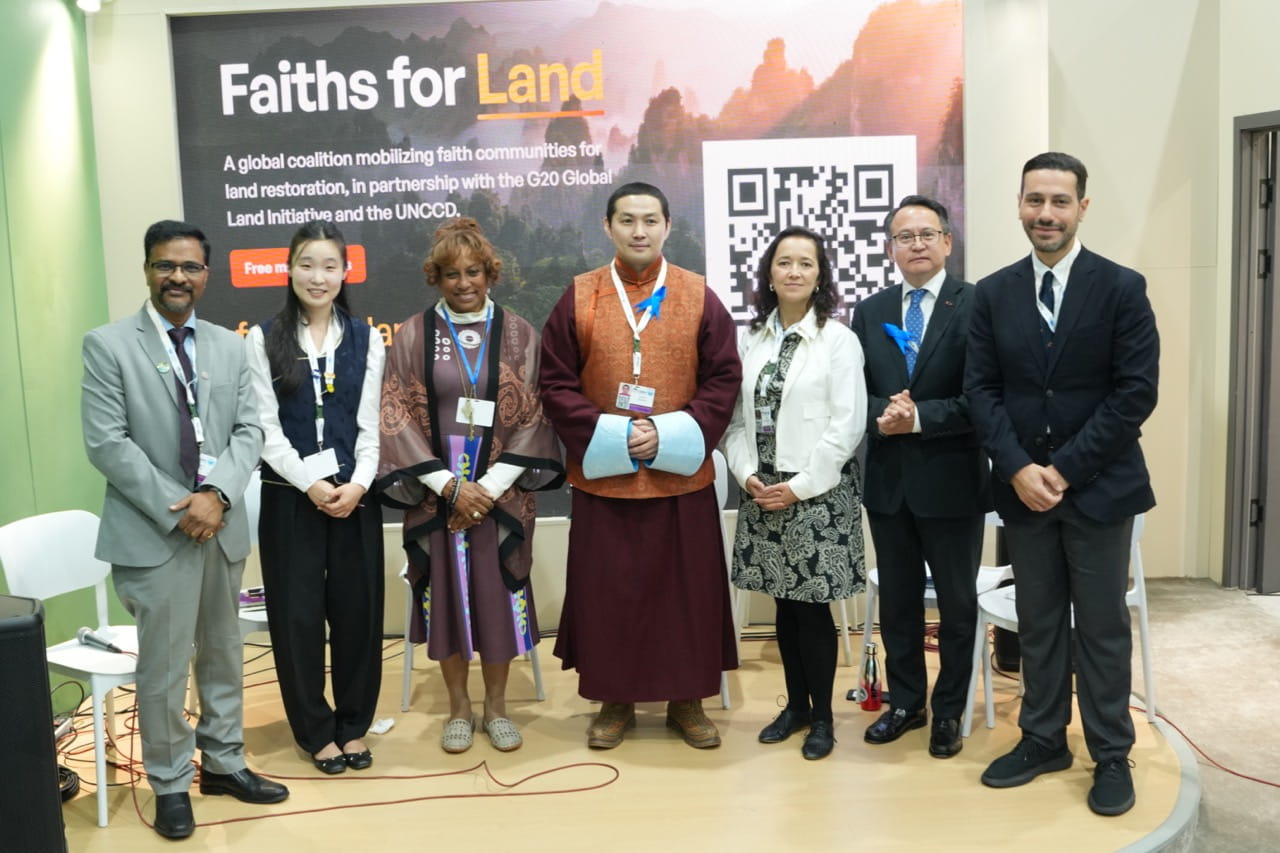
The free Faiths for Land Masterclass, launched during the session, was developed by G20 GLI with WWF’s Beliefs and Values Programme. Based on the Faith Tree Growing framework from WWF and Trillion Trees, it helps faith communities address these questions as they prepare a restoration plan. Across nine self-paced modules, participants identify partners, select a site, prepare a budget and plan how to carry out and monitor the work.
Together, the sessions showed how faith partnerships can support land restoration when communities help shape the work and have the knowledge, funding and practical support to sustain it.