




The Power of Miyawaki Forests
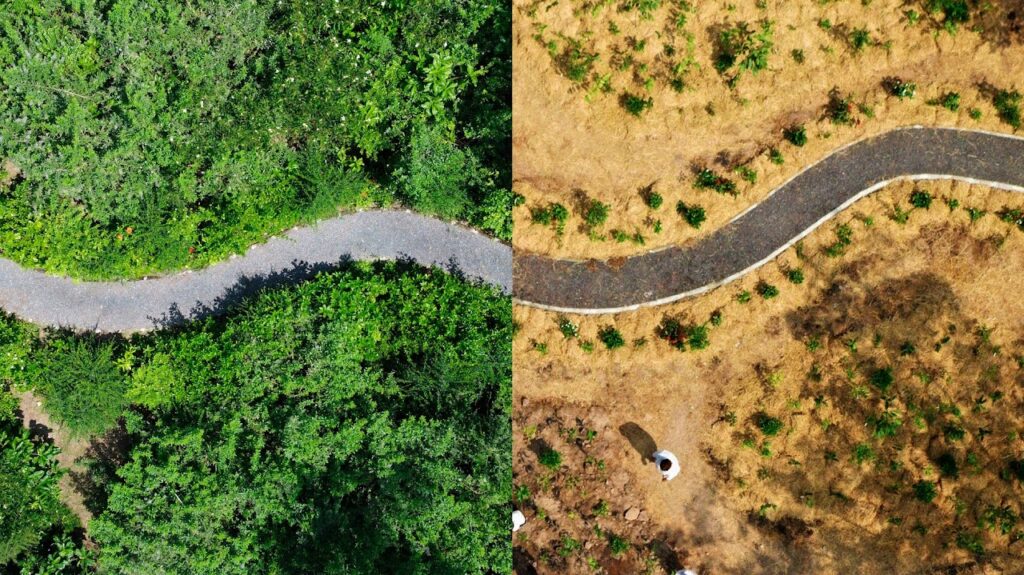
The Miyawaki method of afforestation can grow forests up to 10 times faster and 30 times denser than traditional reforestation methods. This technique can also capture CO2 up to 30 times more effectively than conventional methods. Developed by Japanese botanist Dr. Akira Miyawaki, the method was born from decades of research on natural forest ecosystems, where he observed that planting a diverse mix of native species together—mimicking natural forests—creates self-sustaining ecosystems that thrive without ongoing human intervention. Read more here.
Imagine: The First AI-Powered Movie on Restoration
What if the future wasn’t just something we inherit, but something we create? 2025 saw the release of the first AI-generated movie on land restoration. A girl in the USA, a boy in Senegal, a child in the Northern Plateaus of China, and a Brazilian girl in the Atlantic Mangroves all confront the environmental damage to their homes. Yet, with the help of technology and their imagination, they visualise a future where the planet flourishes. Watch it here.
Land Restoration Shining through Children’s Eyes
More and more cities are restoring nature to blunt the worst impacts of climate change and make urban living more pleasant. Kanazawa, a Japanese city of 450,000 people, has launched a raft of initiatives to bring back greenery. One example is the annual firefly surveys, a citizen-science initiative to monitor biodiversity within the city. More than 4,500 children took part in the survey, and revealed firefly activity in over 600 locations. Read more here.
Why Mangrove Restoration is a Game-Changer
Restoring mangroves can supercharge climate action and coastal protection. Although mangroves cover only 0.1% of the planet’s surface, they store up to 10 times more carbon per hectare than most terrestrial forests. They also act as natural shields, reducing storm surges by as much as 50 cm per kilometer of mangrove width, protecting coastal communities from extreme weather. Read more here.
Rejuvenated Canals: Protecting and Uplifting Kochi
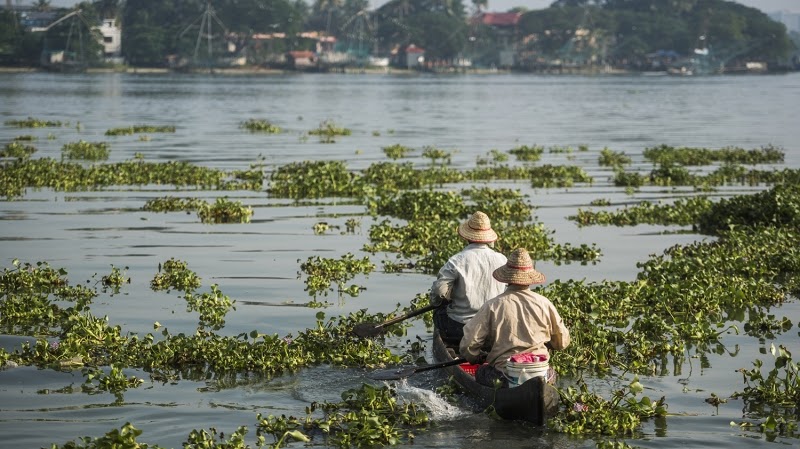
In Kochi, India, a dense network of rivers, creeks and canals was once the lifeline of the city. But many have been neglected in recent decades amid rapid urbanisation. Yet, a new initiative by local authorities is now rejuvenating the canals, helping channel excess water away from the city. Planting trees alongside the canals will also create green corridors to dissipate heat. The canal network can also become a focus of renewed civic pride. Read more here.
From Erosion to Fertility: How Agroecology Heals Soils
Intensive agriculture and endless monocultures are stripping our soils, draining biodiversity, and fueling greenhouse gas emissions. The antidote? Agroecology. From no-till farming to fallows, these practices work with nature instead of against it. One of the most powerful tools is crop rotation with legumes—nature’s own soil healers. By capturing nitrogen from the atmosphere and turning it into plant-ready nutrients, crop rotations with legumes boost fertility, restore soil health, and set the stage for resilient harvests. Read more here.
Indigenous Peoples Revive Colombian Sierra Nevada
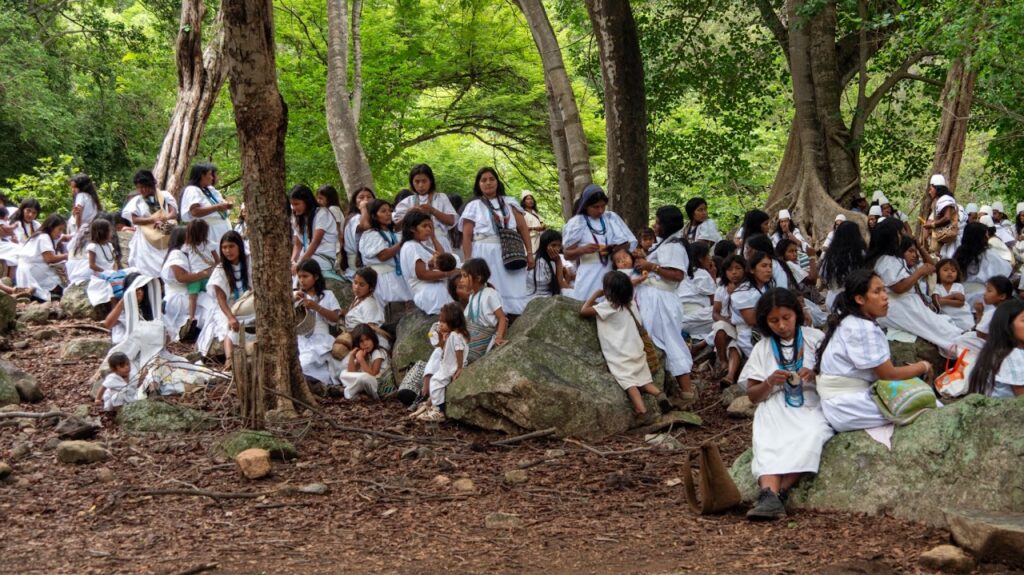
Indigenous peoples worldwide are vital environmental stewards. For instance, in Colombia’s Sierra Nevada de Santa Marta—a UNESCO Reserve known as the “Heart of the World”—Indigenous Arhuaco, Kogui, Wiwa, and Kankuamo peoples are restoring land scarred by decades of conflict and exploitation. They protect sacred sites, regenerate forests, safeguard water sources for 1.8 million people, and combine ancestral knowledge with science to heal soils, biodiversity, and culture alike. Read more here.
Never Judge a Book by Its Cover: The Untold Powers of Grasslands
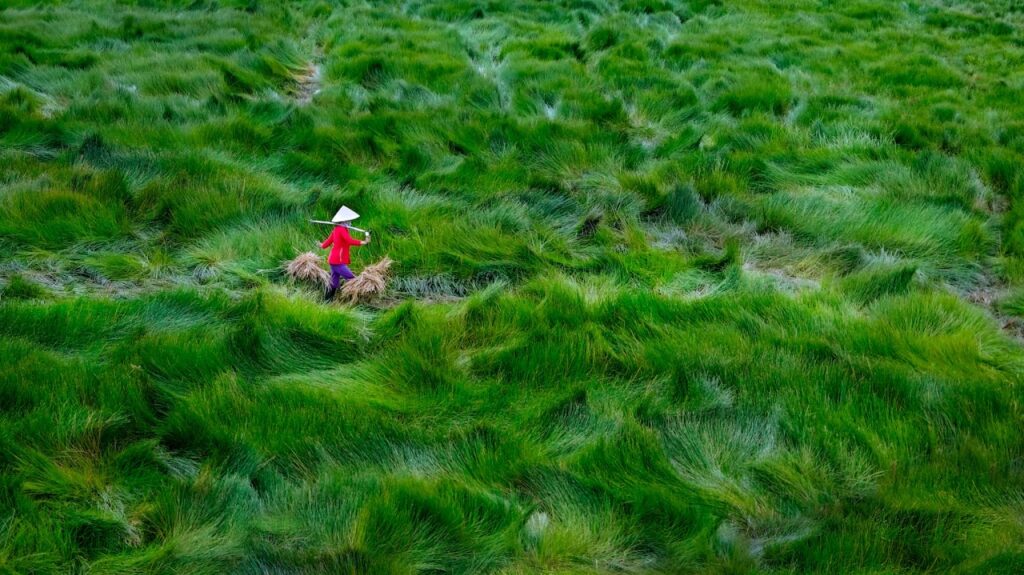
Grasslands may look humble, but they are biodiversity havens and hidden climate powerhouses. While investments in their restoration lag far behind other ecosystems, grasslands are among the world’s largest terrestrial carbon sinks. They store significant carbon in their belowground biomass, with studies showing this makes up 97% of their total carbon pool. Protecting and restoring grasslands, alongside sustainable management and halting their unchecked agricultural conversion, is urgent if we are serious about tackling climate change and biodiversity loss. Read more here.
Istanbul & Seattle as Habitats for Migratory Birds
The impact of unplanned urbanisation on migratory birds’ habitat loss is tragic, but sustainable urban planning can provide safe migration paths. In Istanbul, the city is building stopover parks and mapping migration routes to protect over 500,000 birds. In Seattle, metal nesting platforms are transforming stadium lights into safe nesting spaces for ospreys. Read more here.
Peatlands: The Restoration Tide is Turning
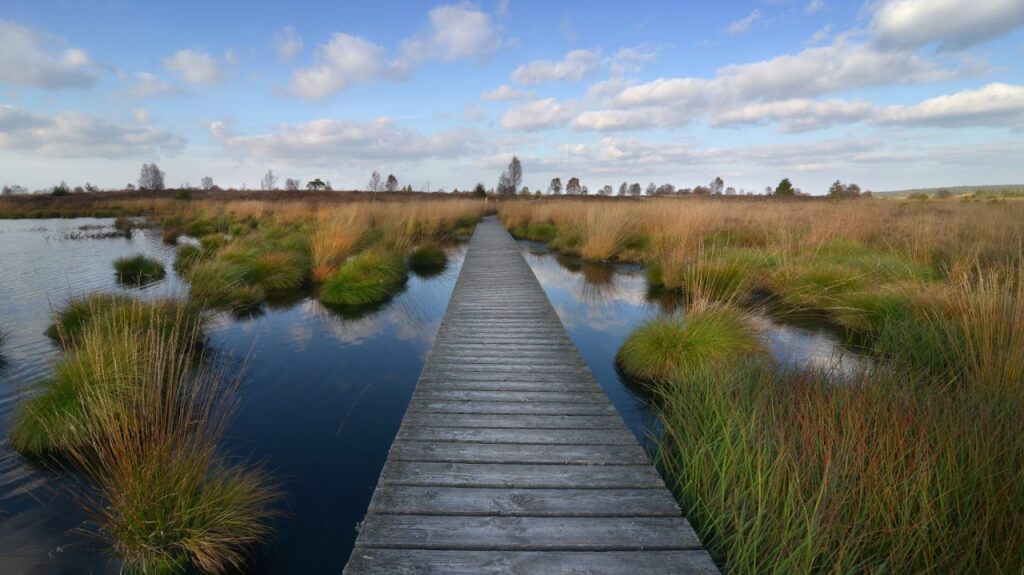
Peatlands cover just 3% of the Earth’s land, yet they store twice as much carbon as all the world’s forests combined. When healthy, these waterlogged ecosystems filter water, store carbon, and safeguard rare species. But with only 19% under protection, they remain critically vulnerable. Luckily, the tide is turning—Peru now includes peatlands in its climate pledges, and the UK has launched ambitious peatland restoration programmes in the past years. Conserving peatlands is no longer optional—it’s essential for future. Read more here.
The year 2024 was pivotal for the Global Land Initiative. Land degradation and restoration remained prominent on the global policy agenda throughout.
The UN Environmental Assembly, G7 Leaders’ Summit, G20 Environment and Climate Change Ministers’ meeting, and BRICS Leaders’ Summit addressed land degradation and committed to scaling up land restoration efforts.
The European Union passed a new Restoration Law mandating quantitative targets for land restoration. The UNFCCC, UNCBD and UNCCD Conferences of the Parties (COPs), held during the last quarter of the year, reinforced land restoration as a crucial solution to combat land degradation, biodiversity loss and climate change.
Building on this favorable policy momentum, the Global Land Initiative continued to develop and deliver a robust program. In collaboration with the International Union for Conservation of Nature (IUCN), we completed a database on Global Restoration Commitments by countries under the UNCCD, UNCBD, UNFCCC and the Bonn Challenge.
Representing a significant increase in global commitments since 2021, the total global commitment now stands at 1.2 billion hectares, with 30 countries, including 11 G20 members, pledging to restore over 10 million hectares each.
The UNCCD, with financial support from the Global Land Initiative, published the first global restoration economy international report, titled, Investing in Land’s Future: Financial needs assessment for UNCCD. The report defines the private sector’s growing role in land restoration and its potential for creating green jobs.
The study outlines key recommendations to support the growth of the restoration economy, which has an associated market survey valued at $37 billion globally, growing at 8.2% annually and is projected to reach $70 billion by 2031. Together, these studies stressed the need for focused policy action to encourage private sector investment and engagement in the restoration economy.
Working with the International Trade Centre (ITC), the Global Land Initiative launched the first cohort of the “Global Ecopreneurs Program,” training 100 young entrepreneurs from restoration startups. These entrepreneurs received training on improving business plans and pitching to investors. We plan to scale this program regionally to reach 10,000 ecopreneurs by 2029.
Training remained a cornerstone of the Global Land Initiative, with programs on the restoration of mining areas, of urban lands, of lowland-based systems, of drylands and with biosaline agriculture. These trainings consistently attracted more applications than available slots. To accommodate this high demand and broader participation, we also conducted online webinars on these topics, in English, Arabic and French.
The first University Curriculum Course on Sustainable Agriculture for Land Restoration was launched this year. It reached over 400 university teachers, with over 100 trained on implementing the curriculum. A university module on urban land restoration is in its final stages.
Representatives from 25 countries attended the second Global Changemaker Academy for Parliamentarians held in Bonn. With the European Union Restoration Law’s passage, global best practices can now be discussed and adapted to national contexts.
The Global Land Initiative’s visibility surged with participation in the G20 Environment and Climate Change Working Group meetings in Brazil, the COPs of the UNCBD and UNCCD and 7 other international exhibitions. In December, the Initiative, in partnership with Germany’s Federal Museum of Arts and Sciences, opened the Save Land: United for Land Museum Exhibition, the first museum exhibition on land restoration, which will run until June 2025.
Online engagement grew, reaching over 35,000 newsletter subscribers and over 14,000 followers across social media platforms, and a global reach of nearly 400,000. The Global Photography Festival, which attracted 17,000 entries from 154 countries, further boosted visibility.
The Global Restoration Information Hub was launched in July 2024. It is a compilation of globally available data on land restoration from credible sources. The site provides information on global best practices, restoration commitments, best practice legislations, documentaries, restoration actors and other databases.
The Initiative issued a global call for communities and NGOs to submit their restoration projects for small grant support, receiving over 600 submissions from 100 countries. Forty-one projects from XX countries were selected for funding.
[Statement on faith, if the faith report is finalized]
The G20 Global Land Initiative Steering Committee was kept informed of developments through regular communication. It met in July and continues to provide guidance on program implementation. It received the work plan for 2025-26; an exciting period of action is ahead.
Lorem ipsum dolor sit amet, consectetuer adipiscing elit. Aenean commodo ligula eget dolor. Aenean massa. Cum sociis natoque penatibus et magnis dis parturient montes, nascetur ridiculus mus.
Donec quam felis, ultricies nec, pellentesque eu, pretium quis, sem. Nulla consequat massa quis enim. Donec pede justo, fringilla vel, aliquet nec, vulputate eget, arcu. In enim justo, rhoncus ut, imperdiet a, venenatis vitae, justo.
Nullam dictum felis eu pede mollis pretium. Integer tincidunt. Cras dapibus. Vivamus elementum semper nisi. Aenean vulputate eleifend tellus. Aenean leo ligula, porttitor eu, consequat vitae, eleifend ac, enim. Aliquam lorem ante, dapibus in, viverra quis, feugiat a, tellus.
Phasellus viverra nulla ut metus varius laoreet. Quisque rutrum. Aenean imperdiet. Etiam ultricies nisi vel augue. Curabitur ullamcorper ultricies nisi. Nam eget dui. Etiam rhoncus.
Maecenas tempus, tellus eget condimentum rhoncus, sem quam semper libero, sit amet adipiscing sem neque sed ipsum. Nam quam nunc, blandit vel, luctus pulvinar, hendrerit id, lorem. Maecenas nec odio et ante tincidunt tempus. Donec vitae sapien ut libero venenatis faucibus. Nullam quis ante. Etiam sit amet orci eget eros faucibus tincidunt. Duis leo. Sed fringilla mauris sit amet nibh. Donec sodales sagittis magna. Sed consequat, leo eget bibendum sodales, augue velit cursus nunc,
